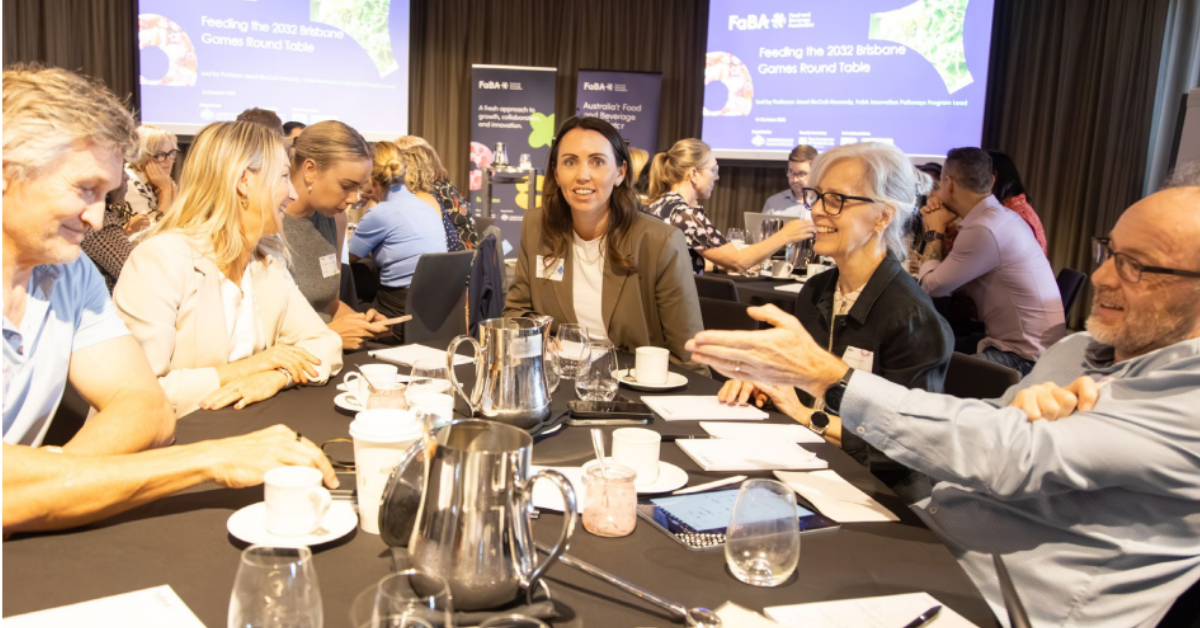
Buderim-grown macadamias will be showcased as a premier Australian superfood to millions of global spectators following a University of Queensland report that positions Sunshine Coast produce as a cornerstone of the Brisbane 2032 Olympic and Paralympic Games.
A Home-Grown Legacy

Released on 30 April 2026, the Feeding the Brisbane 2032 Games White Paper suggests that the upcoming Games offer a unique chance to support local growers and strengthen regional food systems. Professor Janet McColl-Kennedy, who led the research through the University of Queensland’s Business School, explained that the event is more than a simple catering task.
Instead, it serves as a platform to present the world with nutritious and high-quality food that is unique to the region. The report highlights the historical and cultural importance of macadamia, which is the only Australian native plant to become a major international food crop. Originally known as “Kindal Kindal” by Indigenous Australians, these nuts have been a treasured delicacy in the region for thousands of generations.
Boosting the Local Economy
The University of Queensland report aims to help local businesses benefit from the massive number of visitors expected for the Games. Research shows that during the Paris 2024 Games, more than 700,000 people attended events on a single day. By making local items like macadamias, Mooloolaba prawns, and Granite Belt olive oil the stars of the menu, the Games can create long-term value for the Sunshine Coast.
Professor McColl-Kennedy noted that today’s consumers want to know exactly where their food comes from and prefer healthy options. She suggested that serving fresh, local ingredients can create memorable, personalised experiences for visitors, such as enjoying local seafood while watching a sunset.
Supporting Innovation and Sustainability
The plan goes beyond just serving food; it focuses on solving modern challenges like worker shortages and rising costs. The report includes 57 recommendations for policymakers, including using new technology like artificial intelligence and digital tracking to reduce food waste.
UQ Vice-Chancellor Professor Deborah Terry stated that making the right choices now will lead to a more resilient food industry that lasts well beyond 2032. The research also encourages working closely with Indigenous communities to grow native produce, ensuring the environmental and cultural heritage of the macadamia is preserved. By planning early, the organisers hope to build a system that supports farmers and provides fresh food for the community for decades to come.
Published Date 30-April-2026. Updated 19-June-2026.