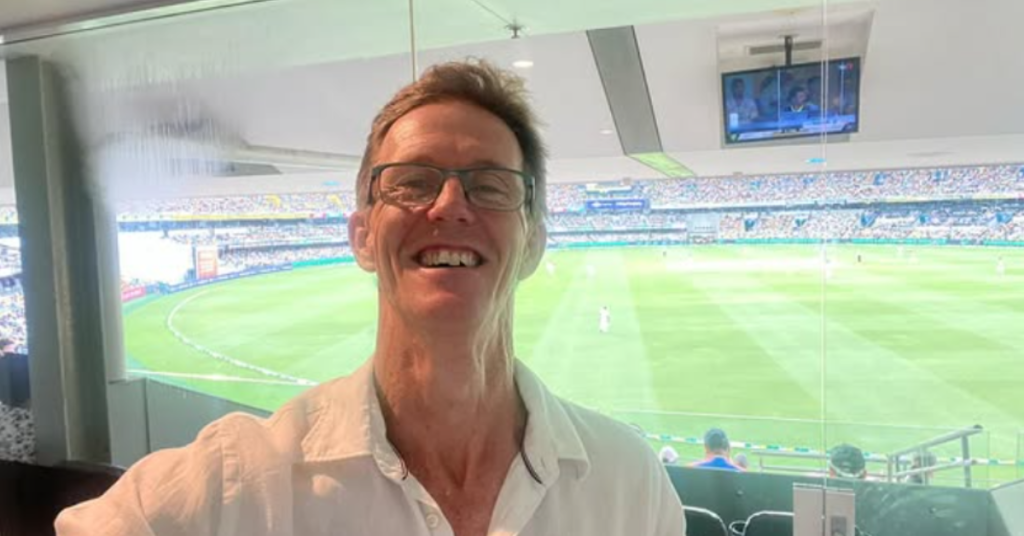
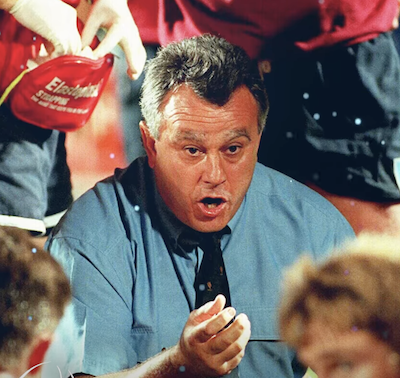
Executive Chef Peter Brown has officially secured the title of Club Chef of the Year at the Clubs Queensland Awards for Excellence, proving that the local dining scene in Buderim is now home to the finest culinary talent in the state.
The recent win for Peter Brown represents a major shift for the hospitality landscape in the Sippy Downs and Buderim region. While the Clubs Queensland Awards are often compared to the industry’s version of the Oscars, the victory specifically highlights how a local neighbourhood venue can outperform established fine-dining spots.
Peter’s work involves more than just preparing meals; he is responsible for managing a high-pressure kitchen that serves hundreds of people every day. His success comes from a focus on high-quality cooking and a leadership style that encourages younger staff members to grow within the trade.
The judging process for this award is known for being extremely difficult, involving secret shoppers and peer reviews. Peter was recognised for his ability to take classic pub meals and improve them using modern methods and fresh ingredients grown right here in Queensland.
By using produce from local farmers, the kitchen supports the regional economy while ensuring the food is as fresh as possible. This approach has helped the venue become a preferred destination for residents who want a high-end meal without having to travel into the city.
While the individual award went to Peter, the entire food and beverage team shared in the recognition. Arrows Bistro at The Bower Tree also reached the finals for the Best Dining category, showing that the overall service and atmosphere meet a high standard. Peter expressed his gratitude for the win by thanking the regular customers who have supported the venue since it first arrived in the area.
This achievement suggests that the local hotel is no longer just a place for a quick drink, but a central part of the community where high-level culinary skills are on display daily.
A Sunshine Coast schoolboy has broken two Australian records and one Queensland record at the Little Athletics Queensland State Championships in Brisbane, delivering one of the standout performances of the event.
At the Little Athletics Queensland State Championships, more than 2,000 athletes from 76 clubs competed, with 11-year-old Rylan Wooster producing one of the strongest results across the meet.
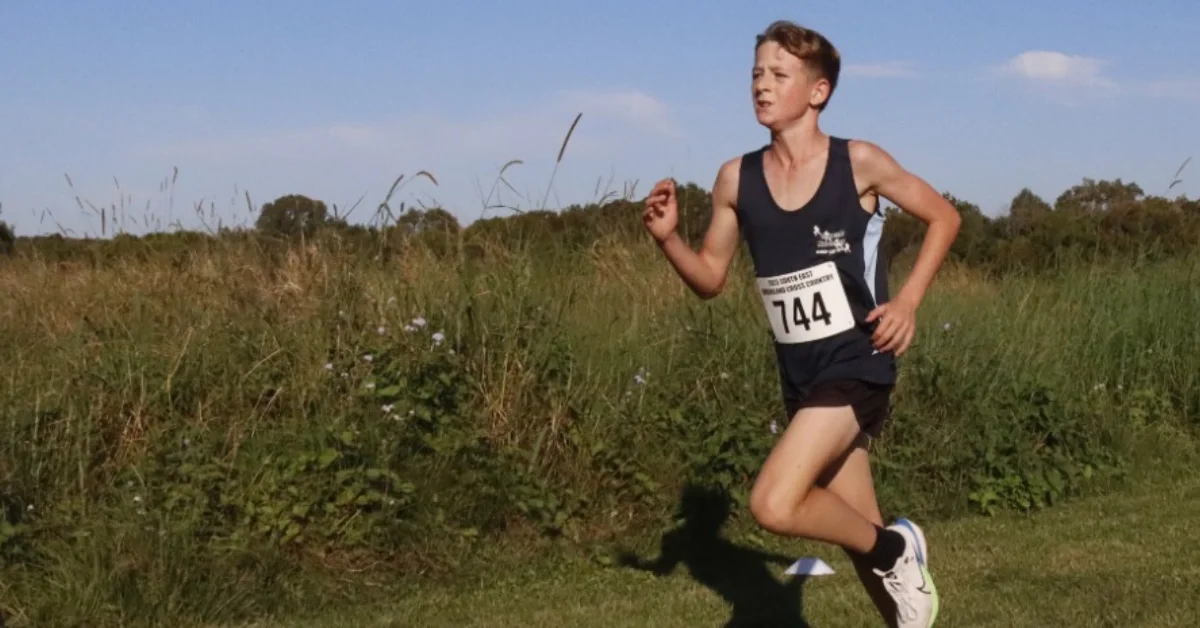
Competing just days before his 11th birthday, the Sunshine Coast runner set Australian records in the 1500 metres and 800 metres, and a Queensland record in the 400 metres. His performance across all three events placed him among the top achievers at the championships.
In the 1500m, he recorded a time of 4:35.76, taking 10 seconds off the previous national record. He followed with 2:15.29 in the 800m, improving the previous best by 1.23 seconds. In the 400m, he finished in 1:00.05, breaking the Queensland record by 1.59 seconds.
Building Momentum on the Sunshine Coast
Rylan’s development in athletics has accelerated in recent years, following earlier success in cross country. His transition into middle-distance running has seen steady progress through structured competition and regular training.
Based on the Sunshine Coast, he trains under experienced coaching guidance, with a focus on quality sessions. Observations from coaching staff highlight his ability to apply consistent effort and respond well to instruction during training and competition.
Regular participation in Little Athletics has also contributed to his growth, with weekly competition providing opportunities to refine performance and gain race experience.
Balancing Athletics and AFL Ambitions
Alongside his success on the track, Rylan remains active in Australian football through the Maroochy Roos Juniors Australian Football Club. His involvement across both sports reflects a continued interest in developing as a multi-sport athlete.
His long-term ambition includes pursuing AFL, which he continues to balance with his athletics commitments.
Support from his family has been a consistent factor, with his parents managing the schedules of three active children involved in sport.
Rylan’s results come amid increasing participation in athletics, with junior competition continuing to attract strong numbers across Queensland. The championships also featured other record-breaking performances, reflecting a broader rise in junior competition standards.
Within this environment, performances such as Rylan’s highlight the level of talent emerging through grassroots athletics programs.
The Sunshine Coast runner’s results at the state championships add to his early achievements in athletics. As he continues competing and training, he remains involved in both running and AFL, with further development expected through ongoing participation in both sports.
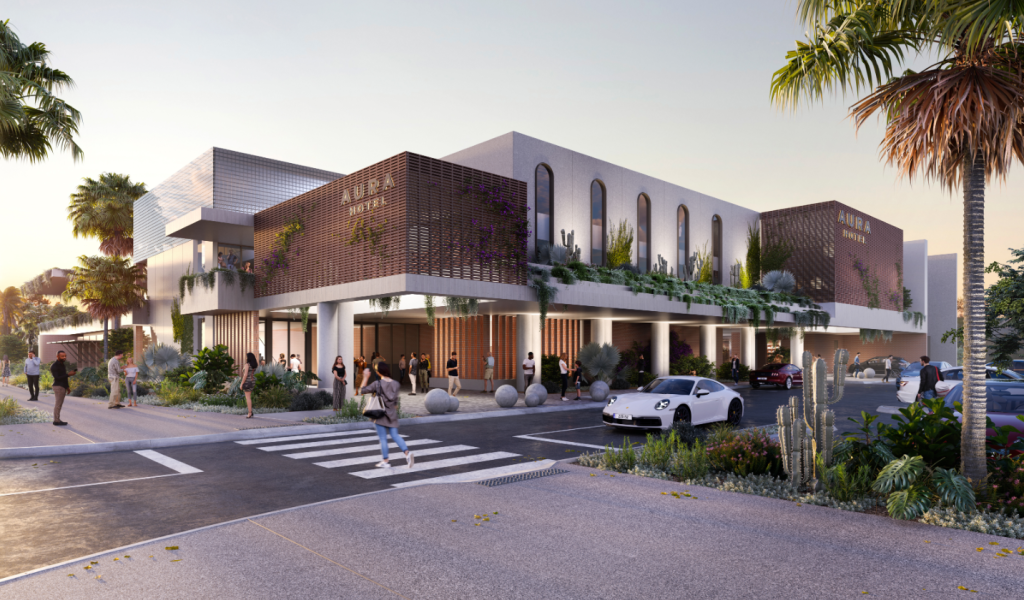
The Comiskey Group has officially broken ground on Aura Hotel within the Stockland Aura community near Caloundra, launching construction on a $68 million venue set to become the Sunshine Coast’s largest entertainment destination when it opens in late 2027.
The ceremonial sod turning took place within the Stockland Aura masterplanned community, one of Australia’s largest, signalling the project’s move into full construction following early earthworks. Spanning three levels, the venue will feature six bars, indoor and alfresco dining, a gaming room and multiple function spaces, backed by what the Comiskey Group describes as the biggest band room on the Sunshine Coast, with capacity for up to 2,500 guests.
For a region that has long punched above its weight as a live music destination, Aura Hotel represents a step change in scale and ambition. The Comiskey Group already operates Sandstone Point Hotel, Eatons Hill Hotel, Dakabin Hotel and Samford Hotel across south-east Queensland, and is separately developing five-star hotels at North Lakes and Sandstone Point. Aura Hotel is the group’s first major hospitality venue to begin construction on the coast.
Why This Project Is Landing at Aura
The decision to plant a flagship venue inside Australia’s largest masterplanned community was no accident. Stockland Aura already houses more than 10,000 residents, with plans for up to 20,000 new homes and 20,000 on-site jobs on completion. Plans for the future city centre include a regional shopping centre, cinemas, restaurants, cafes, a university campus and a transit centre, positioning the area as one of Queensland’s most significant urban growth corridors.
Comiskey Group Director Rob Comiskey said breaking ground marks a milestone years in the making. “Breaking ground on Aura Hotel is a huge milestone for us and something we’ve been working towards for a long time,” he said. “With the biggest band room on the Sunshine Coast, capable of hosting up to 2,500 guests, we’re delivering a venue that will bring world-class live music to the region in a way that hasn’t been done before. This will be the largest venue on the Sunshine Coast and one of the largest in Australia.”
Comiskey pointed to the group’s track record of attracting major international acts to its existing venues as a signal of what Sunshine Coast audiences can expect. “We’ve hosted artists from Prince to Post Malone across our venues, and Aura Hotel will continue that, bringing major acts closer to home,” he said.
What the Venue Will Look Like
Aura Hotel will anchor the Aura City Centre precinct, backing onto a future five-hectare South Bank-style parkland. The Mediterranean-inspired design emphasises layered textures and indoor-outdoor flow, with the aim of creating an impression from the moment patrons arrive.
“We’ve put a lot of thought into how this venue looks and feels from the moment you arrive,” Comiskey said. “It’s designed to have real impact, from the façade through to every space inside, while still being welcoming, versatile and built for the whole community.”
The project is expected to generate approximately 150 local jobs, and Stockland Aura Project Director Josh Sondergeld said the development strengthens the broader vision for the precinct. “Following the start of construction on the Town Centre, this milestone reinforces Aura as a thriving destination, connecting residents through shared spaces, experiences and amenities, while also attracting visitors to the region,” he said. “Positioned alongside the future Aura Parklands and connected to surrounding neighbourhoods by extensive walking and cycling pathways, the hotel will play a key role in activating the 100-hectare Aura City Centre.”
A Growing Footprint on the Sunshine Coast
Aura Hotel is not the Comiskey Group’s only Sunshine Coast investment. Just 10 minutes from the Aura site, the group is also developing Coochin Fields, a 155-hectare outdoor festival site approved earlier this year, adding to what is shaping up as a significant entertainment corridor between Caloundra and the broader Sunshine Coast hinterland.
Together, the two projects signal the group’s confidence in the region’s capacity to support large-scale, premium live music and hospitality experiences. For Sunshine Coast residents who have historically had to travel to Brisbane to catch major touring acts, that shift is a meaningful one.
Aura Hotel is scheduled to open in late 2027. For more information about the Comiskey Group and its upcoming projects, visit comiskey.com.au.
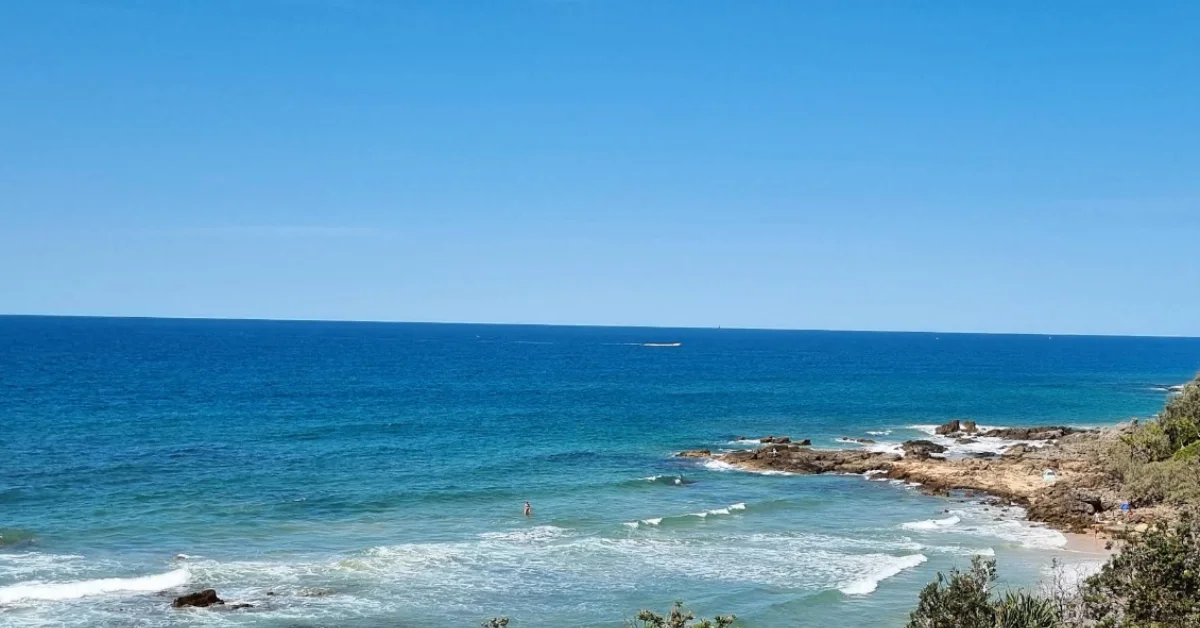
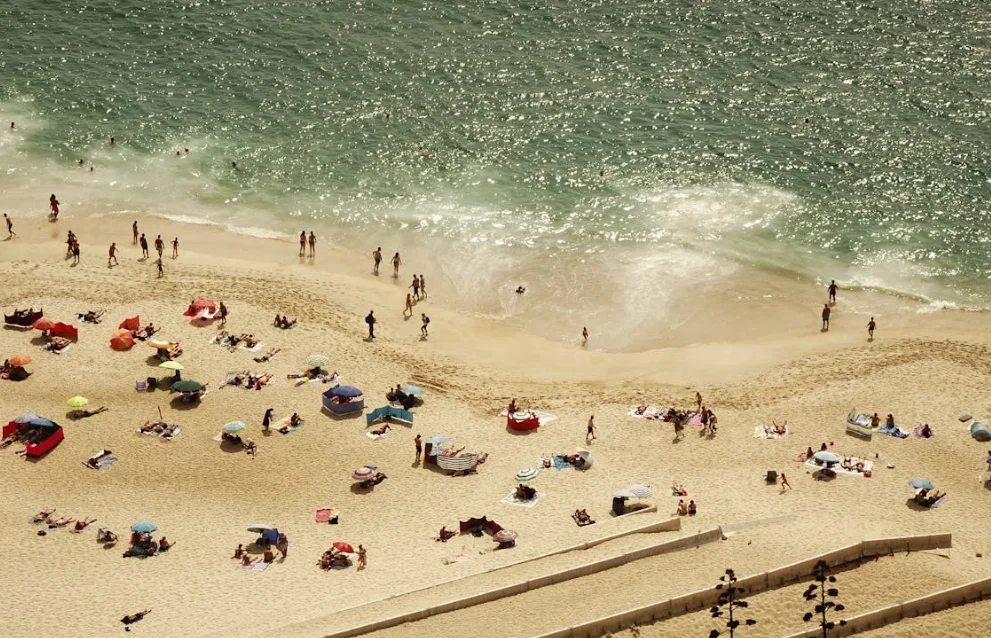
A petition calling for a ban on nudists at Third Bay in Coolum Beach has triggered a clear divide among locals, with concerns over safety, legality, and personal choice driving ongoing debate.
The push to remove nudists from Third Bay has brought renewed attention to a location long associated with nude bathing, despite laws prohibiting the practice.
The petition, recently shared within the community, aims to stop what has become a continued presence of nudists at the beach. Early support appears limited, though the issue has prompted strong discussion online.
Reactions to the petition show a divided response among locals. Some residents raise concerns about safety and suitability, particularly pointing to families and children who also visit the beach.
Others have highlighted incidents that raised discomfort, reinforcing concerns about how the area is being used. At the same time, some within the community argue that nudity itself is not harmful and should be tolerated in a secluded setting.
Alternative views suggest that those uncomfortable with the situation can choose other nearby beaches, while others propose the idea of a designated clothing-optional area.
Under existing laws, public nudity is not permitted, and individuals may face fines for wilful exposure. Beach patrols are conducted regularly, with enforcement occurring at times, although the practice has continued over the years.
There are no officially recognised nude beaches in Queensland. Attempts in other areas to establish clothing-optional locations have not succeeded, leaving places like Third Bay without any formal status.
Ongoing Debate At Coolum Beach
The situation at Coolum Beach continues to centre on differing expectations around how the beach is used. The petition has brought renewed focus to the issue, but its outcome remains uncertain.
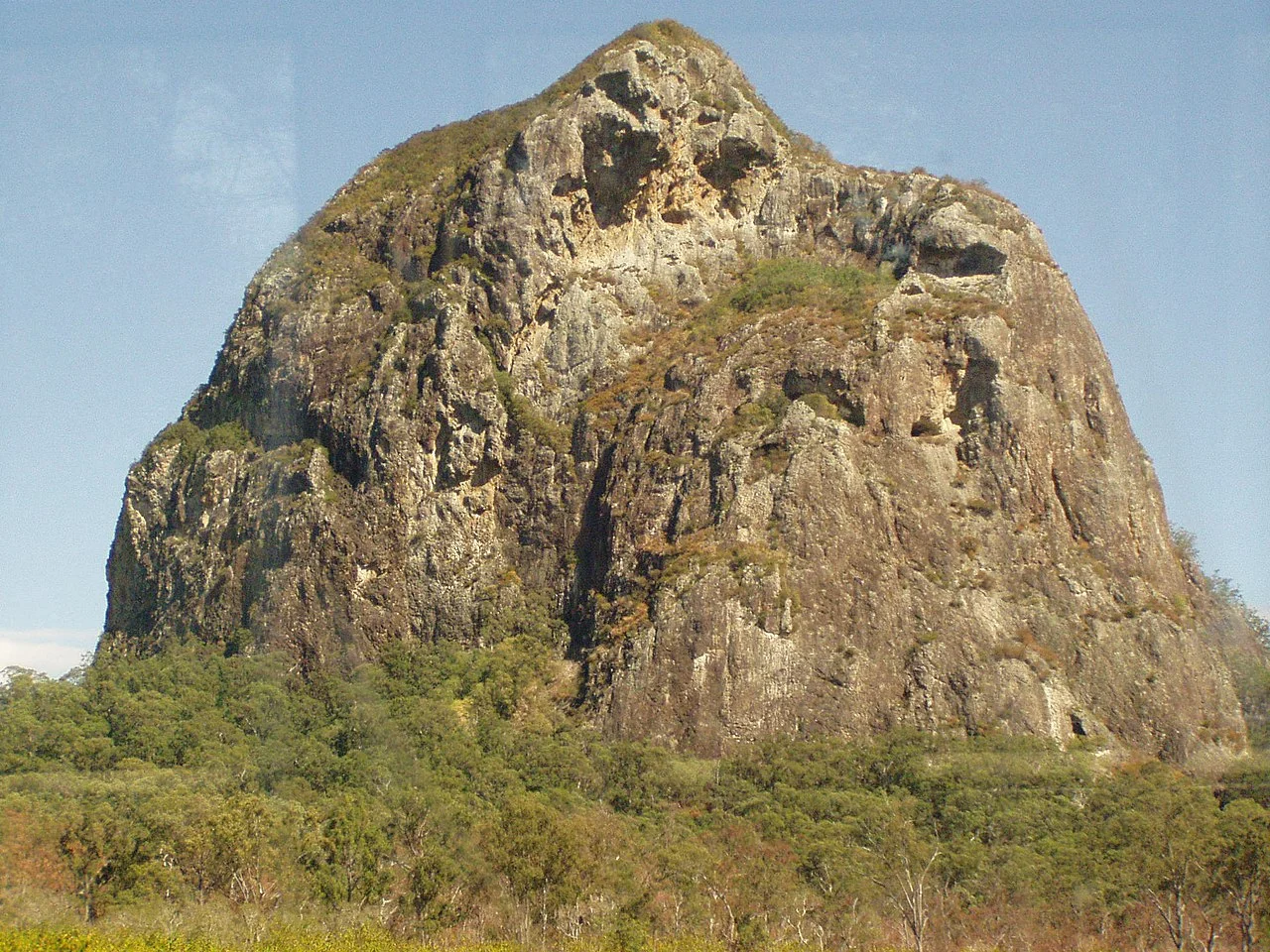
A woman has been found dead on Mount Tibrogargan in the Sunshine Coast hinterland after calls for help were heard from the mountain, prompting an emergency response in the region.
The incident unfolded on Mount Tibrogargan, within the Glass House Mountains, where a person hiking in the area reported hearing a woman calling out for help. Emergency services were alerted at approximately 8:40 a.m. on Thursday, April 2, leading to a ground search at the base of the mountain.
Search efforts were carried out on foot across the terrain. After several hours, responders located the woman at about 10:30 a.m., where she was confirmed deceased.
Police indicated the woman was suspected to have been walking alone at the time of the incident. It is believed she may have fallen, although the circumstances surrounding her death remain under investigation.
Mount Tibrogargan rises to 364 metres and forms part of the Glass House Mountains National Park, north of Brisbane. The mountain features both a lower walking circuit of about four kilometres and a more demanding summit route.
The upper sections of the climb include steep inclines reaching up to 60 degrees, along with areas identified as high-risk for rockfall. These conditions contribute to the technical difficulty of the ascent.
The site is a well-known destination for hikers and bushwalkers, attracting visitors from across Australia and overseas.
Recent Fatal Incidents In The Glass House Mountains
The discovery follows a separate fatal incident at nearby Mount Beerwah, where two 18-year-olds died after falling from the summit track weeks earlier. One died at the scene, while the other was taken to hospital in a critical condition and later died from injuries.
Both Mount Beerwah and Mount Tibrogargan are known for hazardous summit routes, particularly in sections involving steep climbs and unstable terrain.
A report will be prepared for the coroner to determine the cause of death. Further details, including the woman’s identity and age, have not been released.
The incident highlights the challenging conditions present on popular hiking routes within the Glass House Mountains, where steep gradients and natural hazards can pose significant risks.
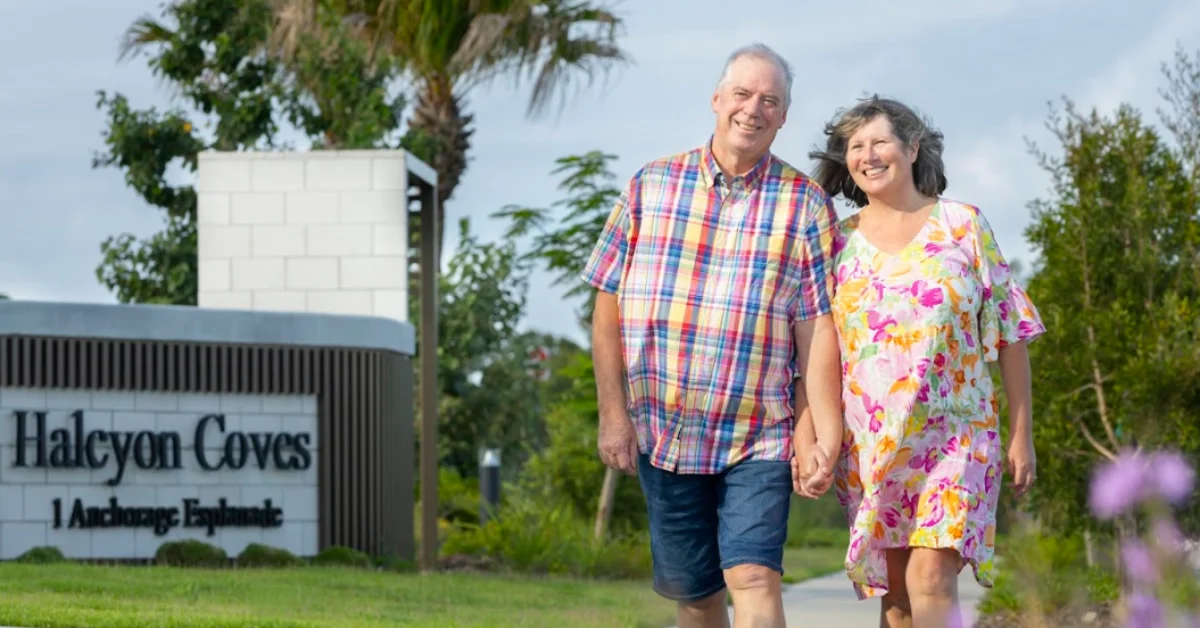
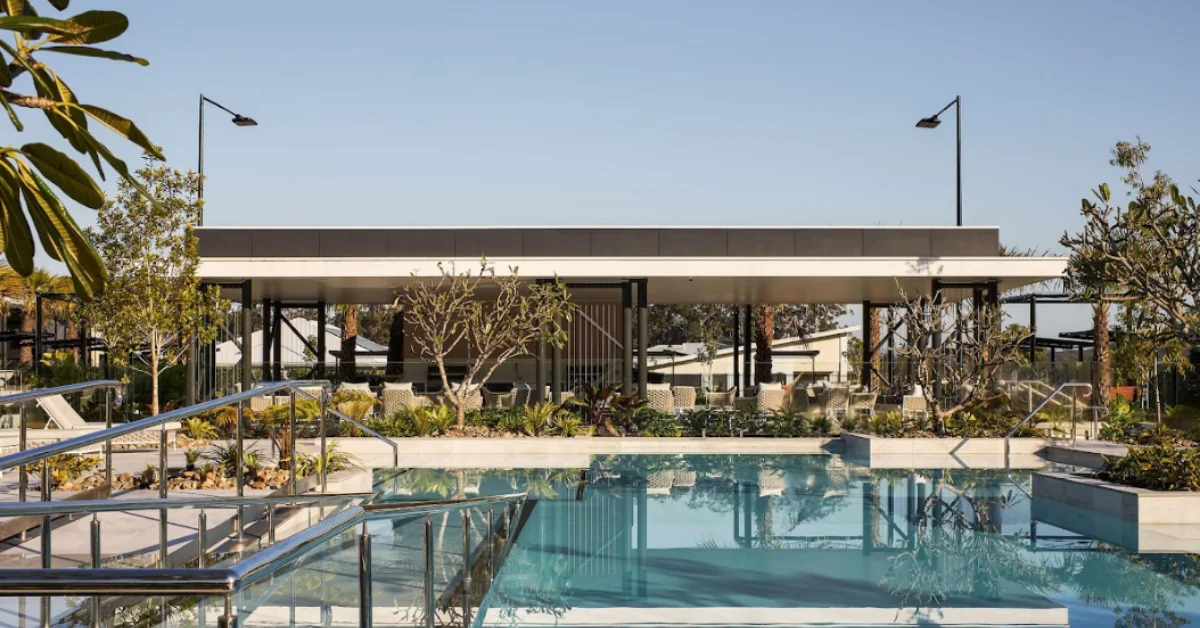
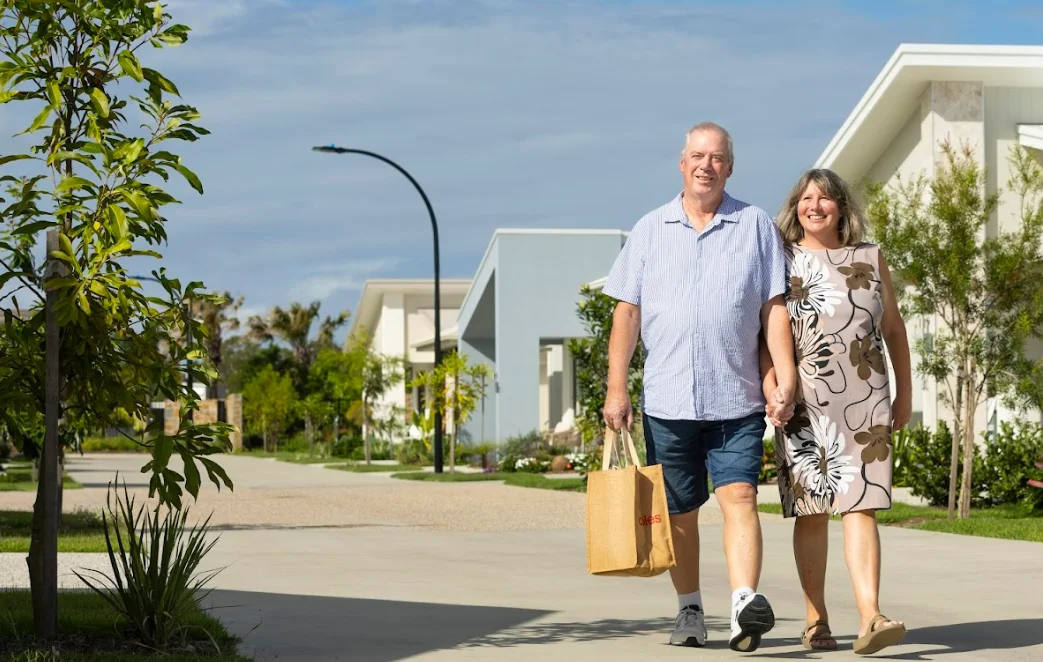
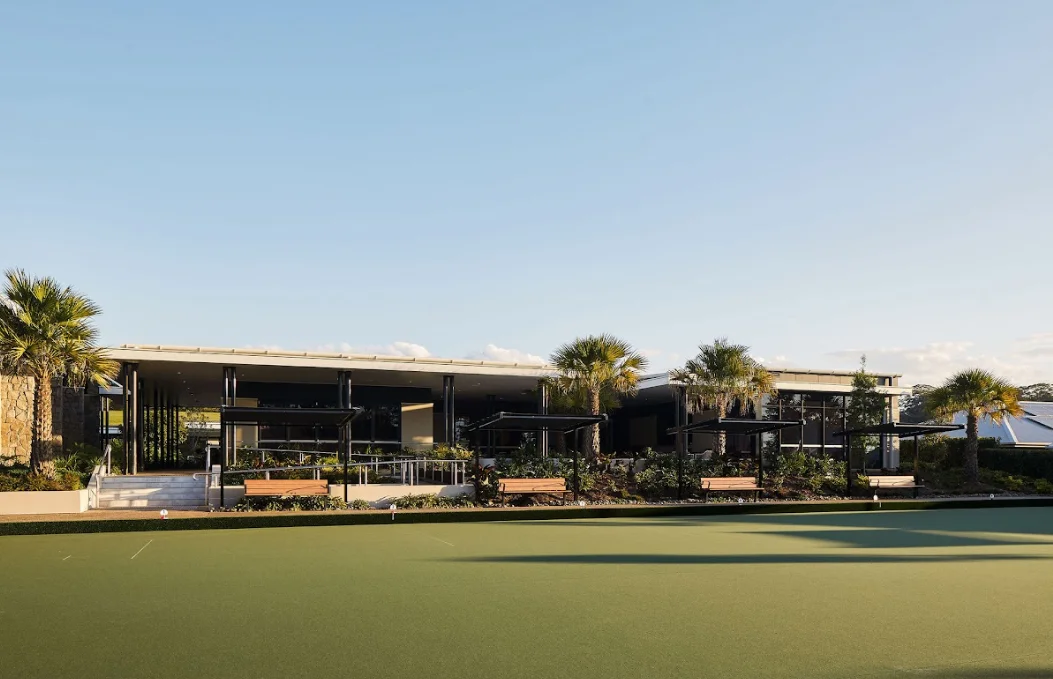
A Buderim home resale has highlighted how one over-50s couple achieved a significant gain within a land lease community before moving to another development in the region.
A Sunshine Coast couple who purchased a home at B by Halcyon in Buderim in December 2023 later sold the property and reported an increase of about 35 per cent.
The resale was completed within six weeks, allowing them to transition to a different community at Halcyon Coves in Aura. The move enabled them to take up a slightly larger home while retaining the uplift from the sale.
Photo Credit: Supplied
How The Housing Model Works
The Buderim transaction reflects the structure of land lease communities, where residents own their home but lease the land beneath it.
Under this model, homeowners retain capital gains when they sell. The arrangement outlined in the release also states that there are no deferred management or exit fees, which can apply in traditional retirement villages and reduce final returns.
This difference in structure has been identified as a factor in resale outcomes for some homeowners in the over-50s sector.
Photo Credit: Supplied
Repeat Moves Within The Same Sector
The couple’s move from Buderim to another Halcyon community aligns with a broader pattern of repeat buying within similar developments.
Some homeowners are selling in established communities and purchasing again in newer locations, using resale outcomes to upgrade their homes or adjust their living arrangements.
This behaviour reflects how certain buyers are approaching over-50s housing with both lifestyle and financial considerations in mind.
Market Conditions Behind The Resale
Conditions across South East Queensland have also been linked to resale outcomes in this segment.
Housing supply in the region continues to lag behind demand, supporting price growth across different parts of the market. Within land lease communities, the limited number of homes available for resale has also been identified as a factor influencing value.
As resale activity increases, there is growing attention on how these transactions are tracked compared to traditional housing sales.
Photo Credit: Supplied
What The Buderim Example Shows
The Buderim resale highlights how some over-50s homeowners are navigating housing decisions within land lease communities.
The ability to sell, retain gains, and move into another property within the same sector is emerging as a pathway for those seeking flexibility in later-life housing.
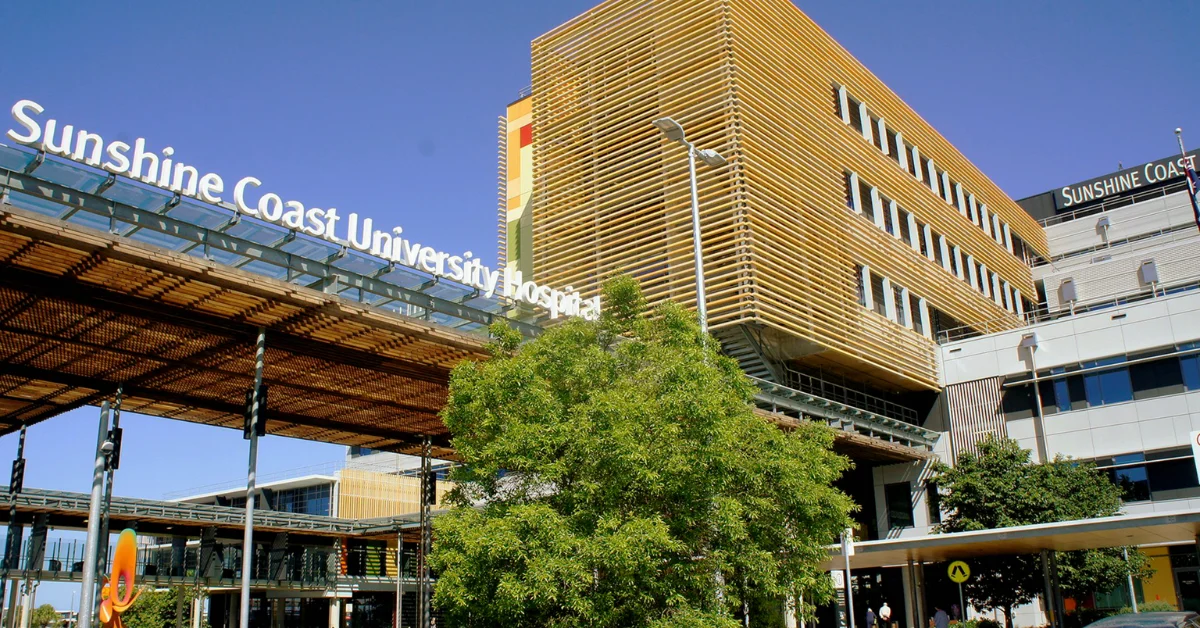
Residents near Buderim are expected to benefit from expanded cancer treatment services following the introduction of new medical technology at Sunshine Coast University Hospital in Birtinya.
Cancer care services on the Sunshine Coast have expanded with the rollout of new imaging technology designed to support specialised treatment at Sunshine Coast University Hospital, located in Birtinya near Buderim.
The upgrade forms part of a $2.3 million investment that includes the introduction of a portable Cone Beam CT scanner designed for brachytherapy procedures.
Sunshine Coast University Hospital, located at 6 Doherty Street, Birtinya, is a tertiary level teaching hospital providing health services to communities across the Sunshine Coast and Gympie regions.
The new imaging system enables clinicians to perform real-time imaging during brachytherapy procedures while a patient remains under anaesthetic.
This approach allows applicator insertion and radiation delivery to occur within the same procedure, removing the need for patients to be moved through the hospital for separate imaging during treatment.
Brachytherapy delivers radiation directly to the cancer site, which allows highly targeted treatment while limiting exposure to surrounding healthy tissue.
Expanded Treatment Capability
The service expansion allows the hospital to provide brachytherapy treatment for cancers including gynaecological and prostate cancers, among others.
The development increases access to specialised cancer treatment for patients across the Sunshine Coast, reducing the need for some patients to travel to Brisbane for certain procedures.
The program is expected to initially treat between 40 and 80 patients each year, with demand anticipated to increase as more patients from north of the Sunshine Coast choose to receive treatment in the region.
The imaging technology supports a treatment process that enables real-time applicator insertion and radiation delivery during the same procedure.
The service has been described as the first and only one in the Southern Hemisphere capable of providing this type of integrated treatment and imaging during a single procedure.
The upgrade also supports training opportunities and the continued development of cancer treatment services within the Sunshine Coast health system.
Local Access To Treatment
For communities near Buderim, the expanded service provides additional options for specialised cancer treatment within the Sunshine Coast region.
The addition of new imaging capability is expected to strengthen local treatment capacity while allowing more patients to receive care closer to where they live.
Outlook
The rollout of the new imaging technology expands the capability of Sunshine Coast University Hospital to deliver specialised cancer treatment locally.
With patient demand expected to grow, the service aims to support more people across the region through increased access to targeted cancer treatment and imaging services.
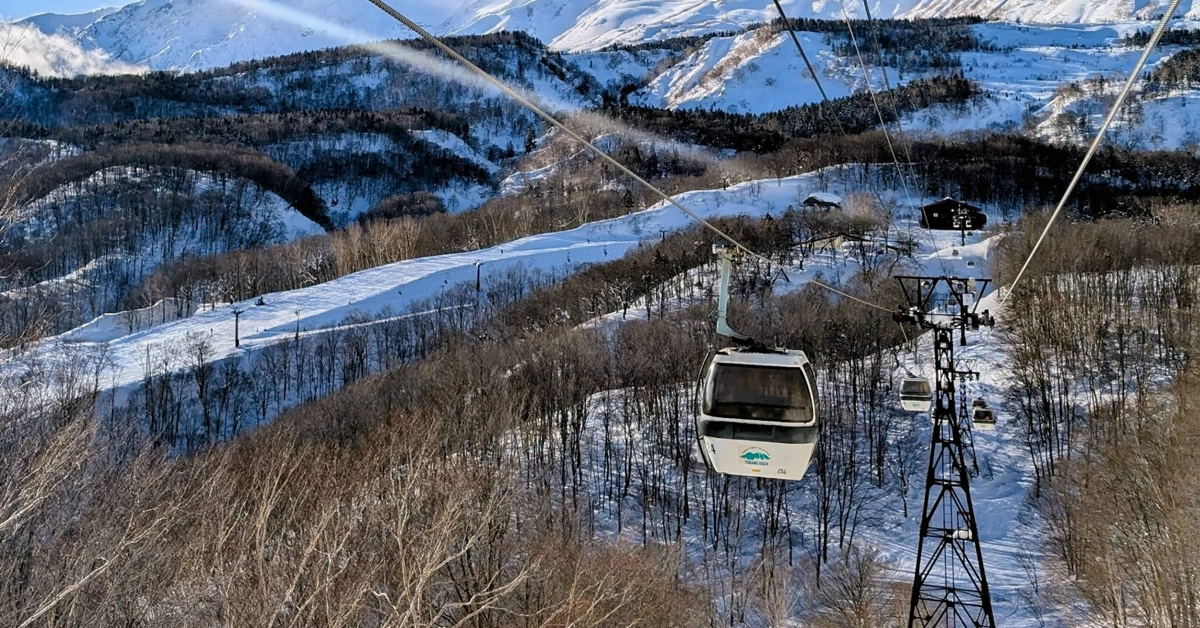
A young Sunshine Coast woman has died following a tragic ski lift accident at a Japanese resort, with her family travelling to be by her side during her final moments.
Ella Day Brooke, 22, was critically injured on Friday morning at Tsugaike Mountain Resort in the Hakuba Valley when her backpack became entangled in a chairlift as she attempted to disembark.
According to statements from Nagano Omachi Police and resort operator Tsugaike Gondola Lift Company, the waist buckle of Ms Brooke’s backpack became caught on the lift chair around 9:15am. Because the chest strap of her backpack remained fastened, the pack could not detach from her body, causing her to be dragged along the snow before being suspended in mid-air as the lift continued moving.
A lift attendant immediately pressed the emergency stop button and first aid was administered at the scene. Ms Brooke went into cardiac arrest and was rushed to hospital by ambulance, but tragically died on Sunday morning with her parents, Deanne and Warren Day, at her side.
In a statement released through Australian media, the family confirmed they were with their daughter when she passed peacefully. They expressed gratitude to the friends who stayed with Ms Brooke until they arrived in Japan, as well as to staff at Omachi General Hospital.
The family described Ms Brooke as an experienced and advanced snowboarder who had been participating in winter sports since she was 11 years old and was in her fourth extended snow season in Japan. She had recently completed a three-day avalanche safety course and had used that training to help rescue four people in dangerous situations in the weeks prior to the accident.
Tragically, it was an avalanche rescue backpack that Ms Brooke was wearing for safety that became caught in the lift mechanism.
Tsugaike Gondola Lift Company CEO Tsuneo Kubo released a formal statement expressing the company’s deepest condolences to the bereaved family and confirmed that operations of the Tsuga No. 2 Pair Lift have been suspended indefinitely while investigations continue.
The resort, which features 18 lifts servicing approximately 18 kilometres of trails, is a popular destination for international skiers and snowboarders during the northern hemisphere winter.
Australia’s Department of Foreign Affairs and Trade confirmed it is providing consular assistance to Ms Brooke’s family and extended deepest condolences.
The incident has cast a shadow over what has become peak season for Australian snow sports enthusiasts in Japan. According to the Japan National Tourism Organisation, more than one million Australians and New Zealanders visited Japan in 2025, representing a 15 per cent increase on the previous year, with many drawn by the country’s renowned powder snow, favourable exchange rates and cultural appeal.
Ms Brooke’s death is the latest in a series of incidents involving Australian tourists at Japanese ski resorts this season. Earlier in January, a 17-year-old Australian died while skiing in Niseko, and another Australian man in his 20s died during a ski trip in Hokkaido just days after Ms Brooke’s accident.
While ski-related fatalities in Japan remain statistically rare, with research indicating an average of 10 to 14 deaths annually across the country’s resorts, the recent incidents have prompted renewed calls for visitors to familiarise themselves with safety protocols and remain within designated resort boundaries.
Sunshine Coast residents are among a small group of Australians recognised this year, with a former Wallabies coach, a heritage architect and a long-serving surf lifesaver named in the national Australia Day Honours, highlighting the region’s impact well beyond its coastline.
Former Wallabies coach John Connolly, who now lives on the Sunshine Coast, was appointed a Member of the Order of Australia for his long service to rugby union as a coach and mentor.
His career has spanned elite professional teams and grassroots development, with a strong focus on guiding players and staff over decades in the game. According to the official Australia Day Honours list published by the Governor-General of Australia, the recognition reflects sustained contribution rather than short-term success.
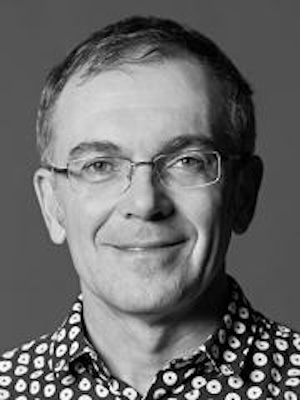
Sunshine Coast-based architect David Gole was also appointed a Member of the Order of Australia, recognised for his contribution to architecture and heritage conservation.
Gole is known for specialist work in the assessment and protection of historically significant buildings, combining professional practice with education. His role as an adjunct professor at The University of Queensland reflects a broader commitment to passing on conservation skills to future architects. His involvement in major heritage projects and leadership within conservation-focused practices.
Surf lifesaver John Ellis Western was honoured for his service to lifesaving, with national surf organisations recognising his long-standing commitment to community safety.
Surf Life Saving Australia has highlighted members whose work has strengthened training, patrol standards, and volunteer support over many years. Western’s recognition places the Sunshine Coast within a national picture of coastal communities shaped by volunteer service and public safety leadership.
National honours, local impact
The Australia Day Honours list includes Australians from all states and territories and recognises service across community life, professional fields and public safety. While the awards are national, the contributions of Connolly, Gole and Western reflect work carried out largely at a local and regional level, reinforcing the Sunshine Coast’s role in shaping leaders whose influence extends well beyond the region.
The 2026 Australia Day Honours were announced on January 26, with recipients formally recognised across the country for service in their respective fields.
A major new tourist park featuring 150 accommodation sites is set to transform a 43-hectare site at Coochin Creek, near Caloundra, following official approval this month. The development promises to deliver new jobs and tourism opportunities for the Sunshine Coast region, though the decision has sparked debate among environmental advocates and community groups.
The Comiskey Group project received final approval on 8 January after a comprehensive assessment process that included expert advice and community consultation. The development will offer families and tourists a range of accommodation options and recreational facilities in a natural bushland setting.
A Destination Designed for Families
Site layout plan (Photo credit: MCU21/0348)
The tourist park will feature 150 accommodation sites spread across the expansive property, catering to different visitor preferences. The development aims to provide a holiday destination where visitors can enjoy outdoor recreation in a natural setting.
The Comiskey Group, which operates the popular Sandstone Point Holiday Resort, has emphasised that Coochin Creek Tourist Park will be thoughtfully designed for its natural setting. Director David Comiskey described the approval as the culmination of a five-year planning process, noting the park would be a unique destination in its own right.
The company’s experience in developing and operating award-winning tourism venues has been highlighted by local business leaders as a positive indicator for the project’s quality and potential success.
Economic Benefits for the Region
Photo credit: Comiskey Group
Tourism industry representatives have welcomed the development as an important addition to the Sunshine Coast’s accommodation offerings. Visit Sunshine Coast CEO Matt Stoeckel described the announcement as a huge win for the tourism industry, noting the park would deliver much-needed new accommodation while strengthening the region’s reputation as a leading eco-tourism destination.
Sunshine Coast Business Council Chair Sandy Zubrinich said tourism was a key sector supporting the regional economy, and the development would add diversity and choice to attract more tourists to the area.
Member for Caloundra Kendall Morton said the project would create jobs, support local businesses, and drive growth across sectors. She noted it would give the region the opportunity to boost ecotourism offerings and showcase natural assets, attracting visitors who want an authentic experience.
The development is expected to create employment opportunities during construction and provide ongoing jobs once operational. Local businesses are anticipated to benefit from increased visitor numbers and tourism spending in the broader Caloundra area.
Environmental Concerns Remain
Despite the approval, the project has faced significant opposition from environmental groups and residents concerned about its impact on the sensitive coastal area.
The site sits within the Northern Inter-Urban Break, a protected green belt between Brisbane and the Sunshine Coast designed to prevent urban sprawl and preserve natural landscapes. The State Assessment and Referral Agency had recommended refusing the application, noting there was no overriding public interest need for the development and no significant adverse impact if it did not proceed.
A coalition of ten community organisations, including the Sunshine Coast Environment Council, Wildlife Queensland, and the Bribie Island Environmental Protection Association, campaigned against the proposal during a public consultation period. Their concerns centred on potential impacts to the nearby Pumicestone Passage, a Ramsar-listed wetland of international significance that provides critical habitat for protected migratory shorebirds.
Additional concerns raised by community groups included bushfire risks in what is classified as a high-intensity bushfire zone, traffic safety issues with access via the narrow, single-lane Roys Road, and questions about whether such a large-scale development was appropriate for the environmentally sensitive location.
Environmental advocates argued that genuine eco-tourism should focus on low-impact, nature-based recreation that protects natural assets rather than introducing substantial infrastructure and accommodation facilities.
Moving Forward
The approval includes conditions aimed at protecting the area’s environmental values and ensuring visitor safety. As this was a ministerial call-in decision, the approval cannot be appealed through the Planning and Environment Court.
The Comiskey Group already holds approval for a smaller 100-site eco-park on the same land, granted by the Planning and Environment Court in 2023. The company has indicated it is pleased to move into the construction phase, with work expected to begin soon.
The development represents a significant investment in Sunshine Coast tourism infrastructure and will test whether large-scale eco-tourism facilities can successfully balance economic benefits with environmental protection in sensitive coastal areas.