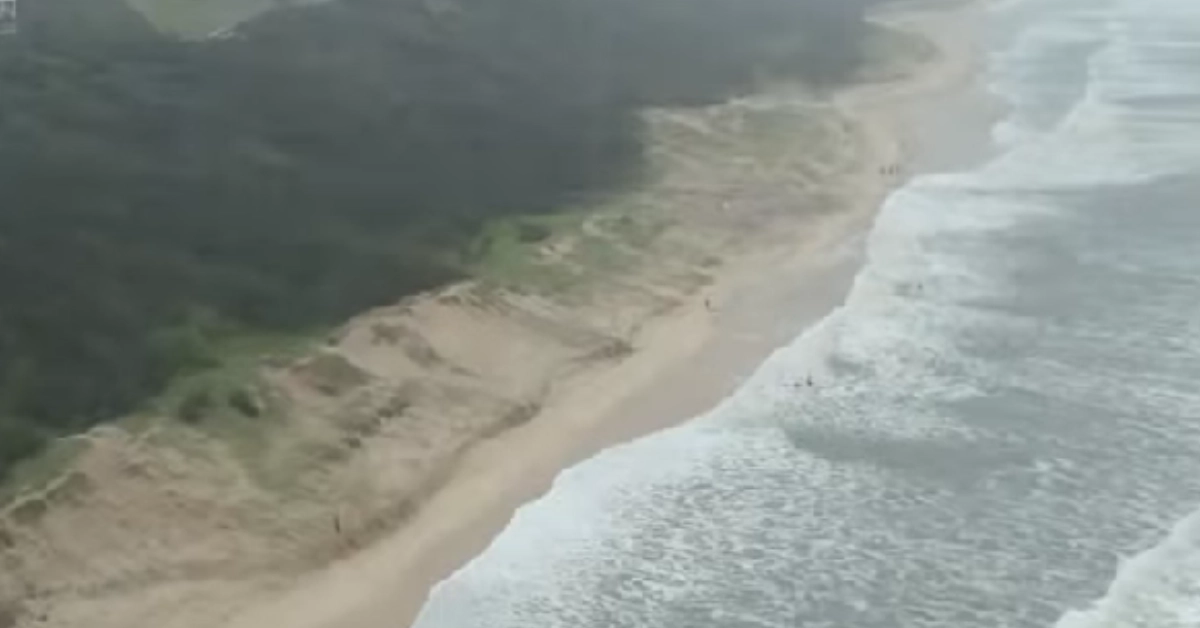
In Woombye, where Daniel Morcombe’s disappearance shook Queensland two decades ago, locals are backing new child safety laws that could help prevent future tragedies.
Daniel Morcombe was 13 when he vanished from Woombye’s Kiel Mountain Road overpass in 2003, sparking one of Queensland’s largest police investigations. Convicted sex offender Brett Peter Cowan was arrested in 2011 and later sentenced to life in prison.
Since then, Daniel’s parents, Bruce and Denise Morcombe, have worked to improve child safety, founding the Daniel Morcombe Foundation. Now, their latest push—Daniel’s Law—aims to create a public child sex offender registry.
What Daniel’s Law Means for Queenslanders
The proposed law introduces a three-tiered system:
Public Website with photos of offenders who breach reporting rules.
Application-Based Access for concerned individuals seeking details on high-risk offenders.
Community Protection Disclosure allowing parents to check if someone in their child’s life has a history of sexual offences.
The law is expected to cost $10 million, with ongoing funding for enforcement.
Support and Concerns
While Daniel’s Law has strong community backing, experts warn it could encourage vigilantism or push offenders underground. Some also fear it may give a false sense of security. Still, the Morcombes believe it’s a vital step in protecting children from known predators.
A Lasting Impact in Woombye
For Woombye locals, Daniel’s Law is a reminder of tragedy but also a step toward safer communities. The Sunshine Coast continues to support the Morcombe family, particularly through Day for Daniel, an annual child safety awareness event.
A Noosaville chocolate business is defying global trends, refusing to raise prices despite a historic cocoa shortage. Noosa Chocolate Factory confirmed its products will remain at the same price this Easter, even as cocoa costs hit a 50-year high.
Cocoa Crisis Driving Up Costs
The increase in prices is a consequence of West African farmers’ low yields and harsh weather conditions that yield 70% of global cocoa. A number of chocolate manufacturers have already increased prices or lowered their product sizes to compensate.
Unlike mass producers, Noosa Chocolate Factory has direct dealings with suppliers, hence cost stabilization. Management stated they won’t reduce quality, alter ingredients, or compromise portion sizes—prioritising customers over short-term profit.
Experts warn that chocolate prices across Australia will keep climbing, with many companies adjusting recipes or packaging. For now, Noosaville residents and visitors can enjoy Noosa Chocolate Factory’s treats at the same price—though how long this will last remains uncertain.
Bli Bli Overwhelmed By Record Rainfall That Brings Flash Floods
More than 325mm of rain pounded Bli Bli in hours, swamping streets with rivers and cutting off entire neighbourhoods. Emergency services rescued stuck residents as waters swept through homes, roads, and businesses. Families waded waist-deep to dry ground. Authorities closed dozens of roads due to dangerous conditions.
Torrential Rain Sparks Chaos
The flood began late at night and intensified rapidly as ex-Tropical Cyclone Alfred brought pouring rain relentlessly. The Bureau of Meteorology confirmed that Noosa and Bli Bli were hit by one of the latest record deluges in recent times.
Emergency workers hastened to aid as waters swept through low-lying districts. Others moved to rooftops in order to rise above the rising water. Several hundred homes experienced power outages, and authorities called on citizens to stay at home.
Rescues and Road Closures
Swift-water crews rescued trapped residents, including a Bli Bli couple saved by a towing company after their car was caught in floodwaters. Over 100 roads closed, isolating communities and disrupting traffic. The Sunshine Coast Council warned of hazardous conditions, with some roads washed away.
Local businesses, already struggling from past storms, suffered further losses. “We’ve had floods before, but nothing this sudden,” a shop owner said. Officials urged drivers to avoid floodwaters due to dangerous currents.
More Rain To Come as Restoration Starts
Weather authorities predict more rain and possibly receding flooding. Debris removal began early today, but many residents face an uphill recovery. Emergency responders and volunteers are helping displaced families.
The Sunshine Coast Council warned people to be ready for additional heavy rain and keep themselves informed of warnings. Relief operations are ongoing, with evacuation centres offering refuge.
Community Steps Up
Despite the devastation, residents are coming forward to help. Volunteer groups and volunteers are delivering food, sandbags, and supplies to stranded homes. Emergency responders praised residents for their cooperation but warned against dropping their guard as the threat of the storm remains.
Authorities urged citizens to keep emergency supplies handy, check on neighbours, and follow road closure orders. With further rain forecasted, authorities prioritize safety over everything else.
Nambour businesses are counting the cost after floodwaters surged through town, wiping out The Pump House’s stock and bringing Snap Fitness within an inch of disaster.
Nambour Businesses Hit Hard as Floodwaters Surge Through Town
A metre of floodwater surged through Nambour’s town centre, leaving local businesses struggling to recover from one of the worst floods in decades. Among the hardest hit was The Pump House, a well-known irrigation and pumping supplier, which lost more than $500,000 in stock and equipment after Petrie Creek overflowed. Nearby, Snap Fitness Nambour narrowly avoided disaster, with floodwaters stopping just centimetres short of damaging $250,000 worth of new cardio equipment.
Record Rainfall Sparks Widespread Flooding
The Sunshine Coast was battered by record-breaking rainfall, with more than 450mm in Diamond Valley and more than 350mm in Nambour, Woombye, Palmwoods, and Eudlo. Residents say the flood, which hit on Monday morning, was the worst since 1983, when entire streets were flooded and businesses lost significant amounts of money.
Retail manager Adam Richards from The Pump House said he had never seen anything like it. Only days earlier, the store had been sending pumps to Brisbane to help prepare for ex-Tropical Cyclone Alfred’s arrival. Now, they’re left assessing the damage as waterlogged stock piles up.
Snap Fitness Dodges a Disaster by Inches
A few blocks away, Snap Fitness Nambour came dangerously close to disaster. Owner Justin Bowie said that just an extra inch of floodwater could have destroyed their recently purchased $250,000 worth of fitness equipment. While the gym was still affected by minor flooding—about 5cm of water inside—the damage was nowhere near as bad as it could have been.
Since flood insurance was too expensive to buy, Bowie and his employees are focusing on the cleanup now. Fortunately, members of the community have come together, with several gym members volunteering to help mop floors, haul away debris, and dry out the building.
Nambour Rallies Together to Rebuild
As the floodwaters recede, businesses and residents in Nambour are banding together to recover. Many locals have compared this flood to past disasters, recalling Ray Grace’s dramatic 1983 rescue, when the car dealer had to be saved from his own rooftop. While the water levels have dropped, the town still faces weeks of repairs and financial losses.
Despite the destruction, businesses like The Pump House and Snap Fitness remain hopeful. The cleanup efforts have already begun, and with strong community support, many are determined to get back on their feet as soon as possible.
What started as a heavy downpour turned into a life-threatening emergency in Chevallum, where floodwaters swallowed roads and left motorists clinging to their vehicles.
Rising Waters Trap Motorists in Chevallum as Emergency Rescues Unfold
Chevallum on the Sunshine Coast was a picture of rescue and urgency with flash flooding immobilizing drivers and flooding roads. Emergency services were called to a number of locations after heavy rain caused sudden water rises, trapping people in vehicles and cutting major roads off.
The wild weather, having intensified overnight on March 10, dumped more than 350mm of rain on parts of the Sunshine Coast, causing swift-water rescues. Two men were part of the group to be rescued after they had been stranded on Chevallum Road in Palmwoods, as floodwaters swept through unexpectedly.
Residents Left Isolated as Roads Go Under
Authorities directed residents to stay indoors since several roads connecting and leading to Chevallum were rendered impassable. Disaster response officials in the area attested that hundreds of roads across the Sunshine Coast region were closed, further restricting movement.
Sunshine Coast Council had earlier sent alerts to ask people to prepare for severe weather, but the severity of the deluge was that several residents were left unprepared. Chevallum, known for its rural homes and green landscapes, saw creeks running into each other, making some properties difficult to reach.
Calls for Caution as Recovery Begins
Although the storm’s worst is over, officials are urging individuals to remain cautious. The roads are still unstable in some areas, and emergency responders are still out attempting to assess damage. The Queensland Disaster Management unit cautioned against non-essential travel and warned of possible secondary flooding due to waterlogged ground conditions.
Power outages have also struck hundreds of homes in the region, with residents without electricity while crews work to restore power. Local businesses in Chevallum and surrounding suburbs are assessing water damage, with clean-up to continue for days.
Authorities remind the public to avoid floodwaters, which may contain debris and contaminants, and to stay updated through official emergency channels. Residents are encouraged to report any dangerous conditions, as the region braces for potential after-effects of the extreme weather event.
For the first time in years, shifting sands at Dicky Beach have unearthed the remains of the 132-year-old SS Dicky shipwreck, a long-lost relic that was buried beneath the beach. The recent impact of Cyclone Alfred has reshaped the coastline, revealing a rare glimpse of history before it disappears once again.
A century-old Queensland sea-faring secret has surfaced at Sunshine Coast’s Dicky Beach, revealing the wreckage of steamship SS Dicky, which ran aground 132 years ago. Cyclone-borne sand dunes exposed remnants of wreckage, providing people with a rare chance to view the ship that lay hidden beneath the beach for decades.
A Storm That Reshaped the Shoreline
The SS Dicky was lost in 1893 when rough seas sent it onto the beach during a cyclone. While the crew were safe, the vessel remained stranded and later abandoned. Over the years, the wreck had become a regular local landmark, and the beach itself was eventually named Dicky Beach after the vessel. Safety concerns, however, led to the Sunshine Coast Council removing most of the remains in 2015, with only pieces still buried under sand.
The recent cyclonic weather, brought by Cyclone Alfred, has shifted the coastline, bringing the wreck to the surface for the first time in years. Locals and history enthusiasts alike have descended upon the location, photographing the newly exposed building and sharing their delight on social media.
A Community’s Connection to History
The SS Dicky has been a part of the Sunshine Coast’s identity for decades, and its return has sparked controversy over the region’s rich maritime history. The Sunshine Coast Council had already preserved sections of the ship to be displayed in parks and museums, so future generations could learn from its past.
Though the unexpected disclosure of the wreck is exciting to locals, authorities are warning against it. The building is fragile, and authorities advise people to stay away and see it from a distance. More of the wreck could either be exposed or buried again by erosion and future climate changes in coming weeks.
For the moment, Dicky Beach residents and tourists have a unique opportunity to view a little piece of history lying under their feet. With the tides still changing, the wreck may disappear once more into the constantly shifting sands. For all who want to catch a glimpse of what remains of the SS Dicky, now is the time before it is once again reclaimed by nature.
As Tropical Cyclone Alfred approaches the coast, Noosa emergency services have responded to several water-related incidents in deteriorating conditions.
Emergency crews were called to Noosa North Shore on Thursday after three people became stranded on a jet ski approximately one nautical mile offshore. The alarm was raised just before midday when the group activated a flare after their watercraft broke down.
Chief lifeguard officer Trent Robinson confirmed that Noosa Coast Guard and a lifeguard coordinated the rescue, with the lifeguard bringing two people back to shore while Coast Guard retrieved the third person and later towed the disabled jet ski back to land.
Noosa Coast Guard Flotilla Commander Lindsay Hall expressed frustration at the “ridiculous” decision to venture out during cyclonic conditions. He noted the jet ski riders had no mobile phones with them and were only spotted thanks to alert lifeguards.
“The problem with jet skis is they think they can jump waves and that’s when they come to grief,” Commander Hall said. “Even the pros haven’t even gone out there this week.”
All three individuals escaped without injury according to Queensland Ambulance Service.
Sunshine Beach Teen Rescue Referenced in Noosa
At a Friday press conference in Noosa, Officer in Charge of the Sunshine Coast Water Police, Sergeant Kyle Bates, referenced both the Noosa North Shore jet ski incident and the rescue of two teenage boys at nearby Sunshine Beach as examples of dangerous behaviour.
“It’s dangerous activity under the current conditions. They should heed the warning, as there is a chance they may not receive assistance,” Sgt Bates said. “The lives of the lifeguards, volunteers, and our police officers are at risk due to the stupidity of these dangerous acts.”
Man Injured in Little Cove Fall
In a separate incident, a man in his 60s was injured after falling from a roof onto a pool fence at a Little Cove property on Thursday morning. Queensland Ambulance Service paramedics and firefighters worked together to extract the man, who suffered a “significant arm injury.” He was transported to Sunshine Coast University Hospital in stable condition.
Tropical Cyclone Alfred is expected to make landfall Saturday morning, with authorities warning of dangerous surf and unpredictable conditions across the Noosa region.
Life Church Queensland Ltd has reported a net surplus of $9.97 million for the 2024 financial year as it prepares to launch a new mega-sized worship venue near Buderim. The church, affiliated with the Australian Christian Churches, saw a sharp revenue increase, largely driven by its building fund, tithes, and donations.
The church’s expansion plans date back to 2019 when Life Church purchased two adjoining properties along Tanawha Tourist Drive, near Buderim. The 3.23-hectare block at 75 Tanawha Tourist Drive was acquired for $2.03 million, while the 2.33-hectare site at 59 Tanawha Tourist Drive was purchased for $1.2 million.
The land, formerly the Forest Glen Deer Sanctuary, has been earmarked for “The Sanctuary,” a large worship centre that will accommodate nearly 800 people. The site will also feature nearly 300 car spaces, an administration wing, a children’s facility, a gym, and a parent’s room.
Photo Credit: Life Church Sunshine Coast/Instagram
A Financial Boom for Life Church
According to financial records submitted to the Australian Charities and Not-for-profits Commission (ACNC), Life Church Queensland Ltd reported $11.7 million in total revenue for the 2024 financial year. The largest contributor was the church’s building fund, generating $10.1 million, while tithes and offerings accounted for approximately $1.05 million.
Despite listing $1.7 million in total expenses, the church recorded a substantial increase in profits compared to the $1.04 million surplus reported in the previous year.
Church director Rick Emmerson highlighted the rapid growth, stating that Life Church had outgrown its original Kawana campus, necessitating the expansion.
Photo Credit: Life Church Sunshine Coast/Instagram
Future Prospects
The new facility is expected to open in mid-2025, with Life Church announcing its progress via social media. The project has been largely funded through congregation donations, the valuation of its existing Kawana facility, and bank financing.
The 2025 Asian Food Festival is returning to the Sunshine Coast, bringing together top chefs from Spirit House, Rice Boi, and Spicers Tamarind for a weekend of Asian-inspired cuisine at Spicers Tamarind Retreat this August.
Maleny’s Asian Food Festival to Bring a Feast of Flavours to the Sunshine Coast
Maleny, a quiet hinterland town on the Sunshine Coast, will be turned into a vibrant melting pot of Asian-infused flavours when the 2025 Asian Food Festival makes its way back to Spicers Tamarind Retreat. Attending some of the region’s most renowned chefs, the two-day festival will provide a food experience that combines local ingredients with the exciting tastes of Asia.
A Weekend of Culinary Excellence
Set for August 2 and 3, the festival is a major highlight of The Curated Plate, a larger food and drink celebration known for showcasing the Sunshine Coast’s top culinary talent. This year’s food festival has welcomed some of the country’s top chefs from Spirit House Restaurant, Rice Boi, and Spicers Tamarind, led by Peter Kuruvita, an acclaimed name in Australian cuisine.
You can count on genuine blending of Asian flavours, with carefully selected dishes mirroring the region’s increasing focus on quality, locally produced ingredients. To top this off, there will be an Oyster Bar, a champagne bar, and handcrafted desserts from Maleny itself’s Maleny Food Co.
More Than Just a Food Festival
It’s not so much about the food itself—it’s a celebration of Sunshine Coast food culture with a community event. As well as the food stalls, guests will enjoy entertainment, live music, and the relaxed outdoor setting that makes the perfect environment for a weekend of excess at Spicers Tamarind Retreat.
As the festival draws more and more visitors each year, organisers are encouraging food lovers to book early when the first release is on sale in March. Those interested in staying up to date can sign up on the official website for alerts.
Maleny’s Asian Food Festival is not just a display of high-class chefs, it’s a testament to the love for good food and sharing the community has. In presenting the offerings of the local businesses and food professionals, the event reaffirms the area’s reputation as a food destination to visit.
For residents of Maleny, it’s an opportunity to share their locally grown food culture, while travelers from across Queensland can enjoy the reason why the Sunshine Coast is becoming renowned for its variety and innovative eating options.
Wurtulla Beach has become a hotspot for rescues, with at least four incidents in two months—yet it remains unpatrolled. Locals are calling for lifeguard services to return before tragedy strikes.
Residents Demand Lifeguard Reinstatement at Wurtulla Beach
Wurtulla Beach has seen numerous rescues in recent months, which has sent alarm bells ringing among residents who say that without a lifeguard, lives are being put in danger. The beach had its lifeguard service withdrawn in May 2024, and there have been a minimum of four rescues performed by locals or wandering lifeguards since then.
With treacherous rip tides and no patrol in place, community members are wondering how many more near-misses it will take before authorities step in. The Sunshine Coast Council, in collaboration with Surf Life Saving Queensland (SLSQ), redirected Wurtulla’s lifeguard services to nearby Bokarina Beach in September last year, citing higher attendance numbers at the latter.
Officials say safety measures, including a surveillance camera and emergency call button, have been introduced at Wurtulla, but locals believe they are no substitute for a trained professional on-site.
A Growing Safety Concern
Local resident Adam Ellis, also a retired surf lifesaver, recently saved a man trapped in a rip at Wurtulla Beach. He explained that he noticed the swimmer fighting the current and knew straight away that it was a risk. After successfully bringing the man to shore, Ellis reflected on the growing number of incidents and questioned how long it would take for authorities to reinstate lifeguard patrols.
At least three other rescues have been reported at Wurtulla since December, including one involving a lifeguard on a roving patrol who saved a man and a young boy. While no fatalities have occurred so far, community members fear it is only a matter of time before a tragedy strikes.
“There have been four rescues in just two months where the public or a passing individual had to step in. Do we really need to wait for someone to drown before action is taken?” Ellis said.
Council Defends Decision
A Sunshine Coast Council spokesperson said the move to relocate lifeguards to Bokarina Beach was due to changing attendance trends and coastal risk assessments. More people have been visiting Bokarina Beach in recent years, with council figures indicating a decline in visitors to Wurtulla, the spokesperson said.
Bokarina Beach is now patrolled seven days a week from September to May and on weekends and public holidays during winter. Council representatives encourage swimmers to walk the extra 500 metres to Bokarina for safety.
“No matter how confident you are in the water, it’s always safer to swim in a patrolled area,” the spokesperson said.
Residents Push for Compromise
Many locals remain unconvinced that Wurtulla Beach is any safer without lifeguards. Resident Trevor Heard noted that despite council data, Wurtulla continues to attract visitors, especially with parking shortages at Bokarina making it a less convenient option for some beachgoers.
Heard and other residents propose a compromise, including reinstating lifeguards at Wurtulla on weekends over summer when beach usage is highest. They say while technology such as cameras and emergency call buttons are helpful, they cannot substitute for the instant response of an on-duty lifeguard.
Currently, Wurtulla Beach is not patrolled, so the community must use one another to feel safe. But with every new rescue, the calls for change grow louder.