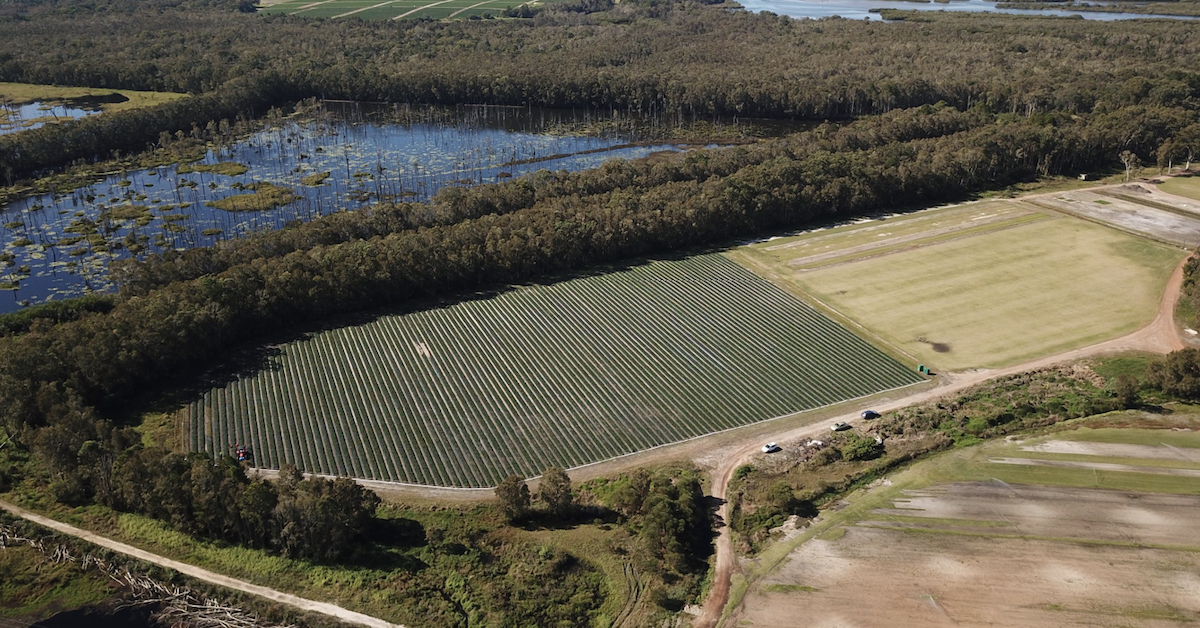
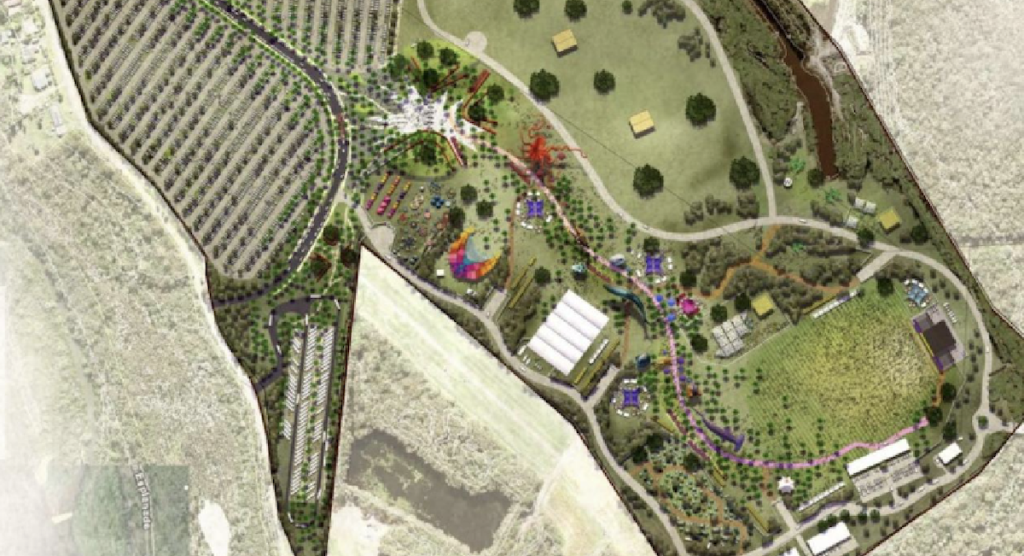
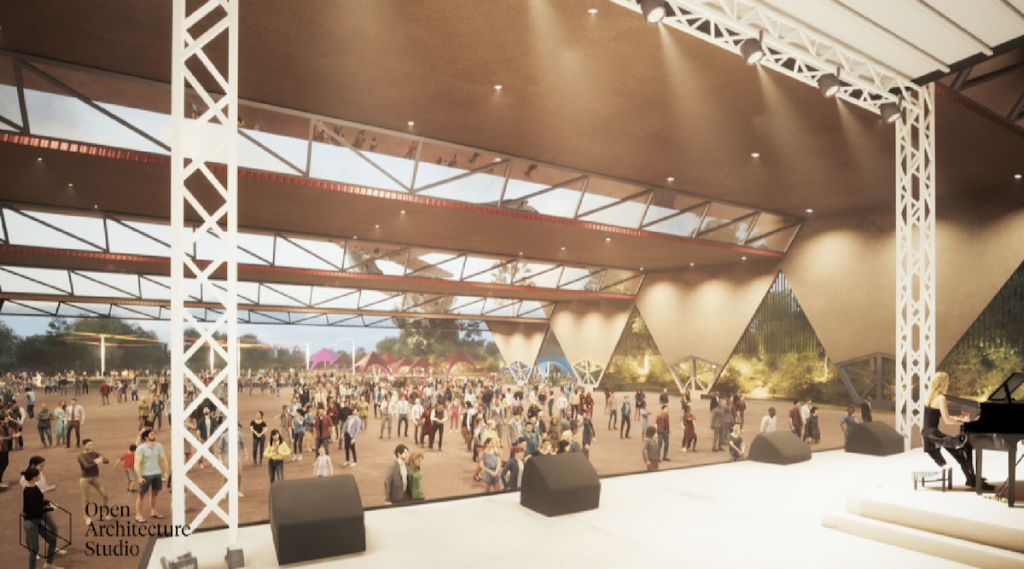
A major new tourist park featuring 150 accommodation sites is set to transform a 43-hectare site at Coochin Creek, near Caloundra, following official approval this month. The development promises to deliver new jobs and tourism opportunities for the Sunshine Coast region, though the decision has sparked debate among environmental advocates and community groups.
Read: Coochin Creek Development Plan Sets Scene for Queensland’s Green-Belt Future
The Comiskey Group project received final approval on 8 January after a comprehensive assessment process that included expert advice and community consultation. The development will offer families and tourists a range of accommodation options and recreational facilities in a natural bushland setting.
A Destination Designed for Families

The tourist park will feature 150 accommodation sites spread across the expansive property, catering to different visitor preferences. The development aims to provide a holiday destination where visitors can enjoy outdoor recreation in a natural setting.
The Comiskey Group, which operates the popular Sandstone Point Holiday Resort, has emphasised that Coochin Creek Tourist Park will be thoughtfully designed for its natural setting. Director David Comiskey described the approval as the culmination of a five-year planning process, noting the park would be a unique destination in its own right.
The company’s experience in developing and operating award-winning tourism venues has been highlighted by local business leaders as a positive indicator for the project’s quality and potential success.
Economic Benefits for the Region

Tourism industry representatives have welcomed the development as an important addition to the Sunshine Coast’s accommodation offerings. Visit Sunshine Coast CEO Matt Stoeckel described the announcement as a huge win for the tourism industry, noting the park would deliver much-needed new accommodation while strengthening the region’s reputation as a leading eco-tourism destination.
Sunshine Coast Business Council Chair Sandy Zubrinich said tourism was a key sector supporting the regional economy, and the development would add diversity and choice to attract more tourists to the area.
Member for Caloundra Kendall Morton said the project would create jobs, support local businesses, and drive growth across sectors. She noted it would give the region the opportunity to boost ecotourism offerings and showcase natural assets, attracting visitors who want an authentic experience.
The development is expected to create employment opportunities during construction and provide ongoing jobs once operational. Local businesses are anticipated to benefit from increased visitor numbers and tourism spending in the broader Caloundra area.
Environmental Concerns Remain
Despite the approval, the project has faced significant opposition from environmental groups and residents concerned about its impact on the sensitive coastal area.
The site sits within the Northern Inter-Urban Break, a protected green belt between Brisbane and the Sunshine Coast designed to prevent urban sprawl and preserve natural landscapes. The State Assessment and Referral Agency had recommended refusing the application, noting there was no overriding public interest need for the development and no significant adverse impact if it did not proceed.
A coalition of ten community organisations, including the Sunshine Coast Environment Council, Wildlife Queensland, and the Bribie Island Environmental Protection Association, campaigned against the proposal during a public consultation period. Their concerns centred on potential impacts to the nearby Pumicestone Passage, a Ramsar-listed wetland of international significance that provides critical habitat for protected migratory shorebirds.
Additional concerns raised by community groups included bushfire risks in what is classified as a high-intensity bushfire zone, traffic safety issues with access via the narrow, single-lane Roys Road, and questions about whether such a large-scale development was appropriate for the environmentally sensitive location.
Environmental advocates argued that genuine eco-tourism should focus on low-impact, nature-based recreation that protects natural assets rather than introducing substantial infrastructure and accommodation facilities.
Moving Forward
The approval includes conditions aimed at protecting the area’s environmental values and ensuring visitor safety. As this was a ministerial call-in decision, the approval cannot be appealed through the Planning and Environment Court.
Read: $170 Million Airport Redevelopment Near Buderim Targets 2027 Completion
The Comiskey Group already holds approval for a smaller 100-site eco-park on the same land, granted by the Planning and Environment Court in 2023. The company has indicated it is pleased to move into the construction phase, with work expected to begin soon.
The development represents a significant investment in Sunshine Coast tourism infrastructure and will test whether large-scale eco-tourism facilities can successfully balance economic benefits with environmental protection in sensitive coastal areas.
Published 9-January-2026