
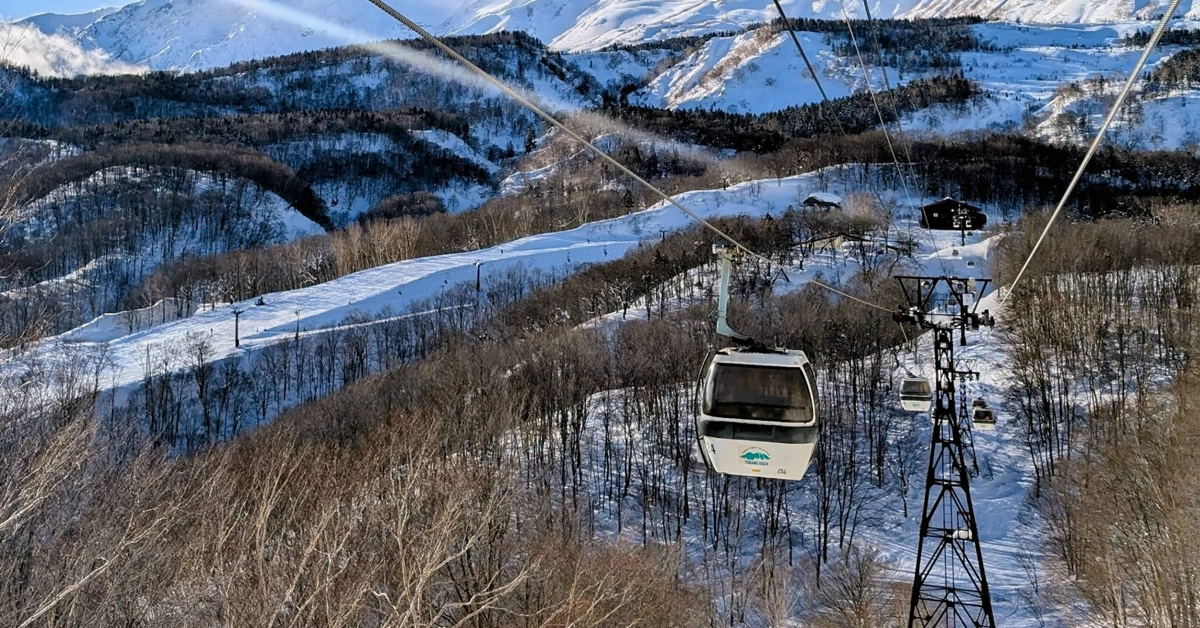
Sunshine Coast Woman Dies in Tragic Japan Ski Lift Accident

A young Sunshine Coast woman has died following a tragic ski lift accident at a Japanese resort, with her family travelling to be by her side during her final moments.


Ella Day Brooke, 22, was critically injured on Friday morning at Tsugaike Mountain Resort in the Hakuba Valley when her backpack became entangled in a chairlift as she attempted to disembark.

According to statements from Nagano Omachi Police and resort operator Tsugaike Gondola Lift Company, the waist buckle of Ms Brooke’s backpack became caught on the lift chair around 9:15am. Because the chest strap of her backpack remained fastened, the pack could not detach from her body, causing her to be dragged along the snow before being suspended in mid-air as the lift continued moving.

A lift attendant immediately pressed the emergency stop button and first aid was administered at the scene. Ms Brooke went into cardiac arrest and was rushed to hospital by ambulance, but tragically died on Sunday morning with her parents, Deanne and Warren Day, at her side.

In a statement released through Australian media, the family confirmed they were with their daughter when she passed peacefully. They expressed gratitude to the friends who stayed with Ms Brooke until they arrived in Japan, as well as to staff at Omachi General Hospital.

The family described Ms Brooke as an experienced and advanced snowboarder who had been participating in winter sports since she was 11 years old and was in her fourth extended snow season in Japan. She had recently completed a three-day avalanche safety course and had used that training to help rescue four people in dangerous situations in the weeks prior to the accident.

Tragically, it was an avalanche rescue backpack that Ms Brooke was wearing for safety that became caught in the lift mechanism.

Tsugaike Gondola Lift Company CEO Tsuneo Kubo released a formal statement expressing the company’s deepest condolences to the bereaved family and confirmed that operations of the Tsuga No. 2 Pair Lift have been suspended indefinitely while investigations continue.

The resort, which features 18 lifts servicing approximately 18 kilometres of trails, is a popular destination for international skiers and snowboarders during the northern hemisphere winter.

Australia’s Department of Foreign Affairs and Trade confirmed it is providing consular assistance to Ms Brooke’s family and extended deepest condolences.

The incident has cast a shadow over what has become peak season for Australian snow sports enthusiasts in Japan. According to the Japan National Tourism Organisation, more than one million Australians and New Zealanders visited Japan in 2025, representing a 15 per cent increase on the previous year, with many drawn by the country’s renowned powder snow, favourable exchange rates and cultural appeal.

Ms Brooke’s death is the latest in a series of incidents involving Australian tourists at Japanese ski resorts this season. Earlier in January, a 17-year-old Australian died while skiing in Niseko, and another Australian man in his 20s died during a ski trip in Hokkaido just days after Ms Brooke’s accident.


While ski-related fatalities in Japan remain statistically rare, with research indicating an average of 10 to 14 deaths annually across the country’s resorts, the recent incidents have prompted renewed calls for visitors to familiarise themselves with safety protocols and remain within designated resort boundaries.

Published 2-February-2026

Sunshine Coast Residents Among Australia Day Honours Recipients

Sunshine Coast residents are among a small group of Australians recognised this year, with a former Wallabies coach, a heritage architect and a long-serving surf lifesaver named in the national Australia Day Honours, highlighting the region’s impact well beyond its coastline.


Sporting leadership with lasting reach

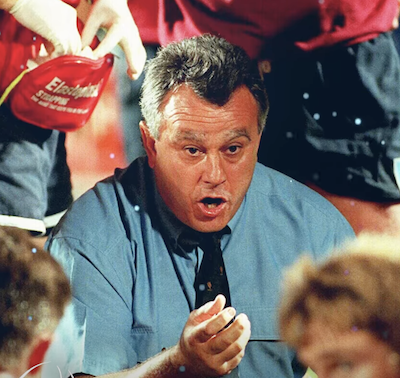
Former Wallabies coach John Connolly, who now lives on the Sunshine Coast, was appointed a Member of the Order of Australia for his long service to rugby union as a coach and mentor. 

His career has spanned elite professional teams and grassroots development, with a strong focus on guiding players and staff over decades in the game. According to the official Australia Day Honours list published by the Governor-General of Australia, the recognition reflects sustained contribution rather than short-term success.

Protecting heritage through design

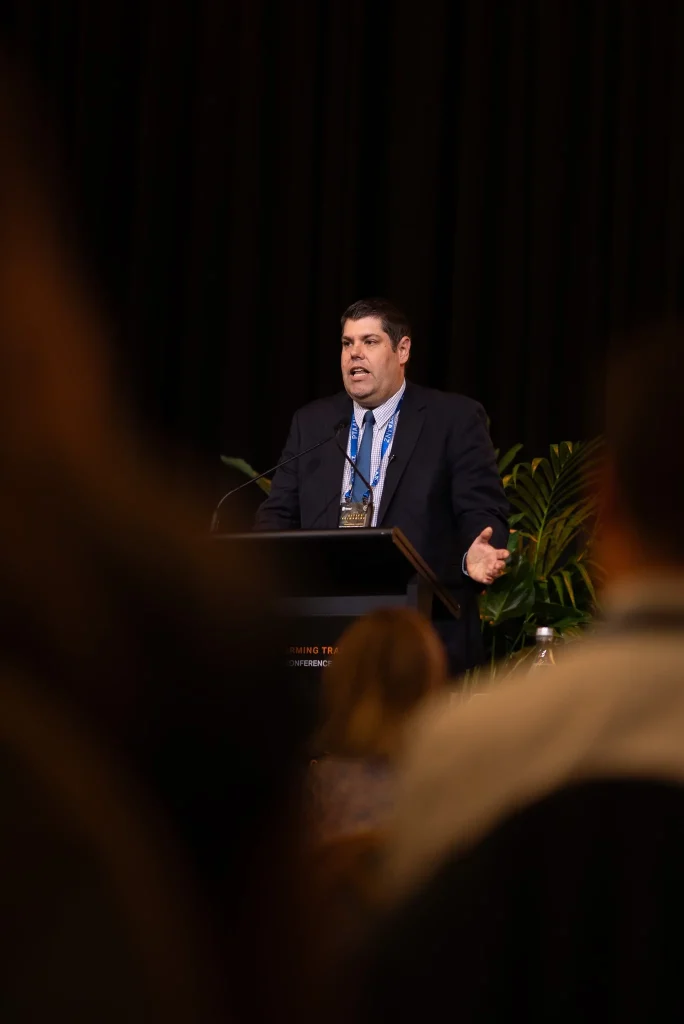
Sunshine Coast-based architect David Gole was also appointed a Member of the Order of Australia, recognised for his contribution to architecture and heritage conservation. 

Gole is known for specialist work in the assessment and protection of historically significant buildings, combining professional practice with education. His role as an adjunct professor at The University of Queensland reflects a broader commitment to passing on conservation skills to future architects. His involvement in major heritage projects and leadership within conservation-focused practices.

Photo Credit: UQ

A lifetime on patrol

Surf lifesaver John Ellis Western was honoured for his service to lifesaving, with national surf organisations recognising his long-standing commitment to community safety. 

Surf Life Saving Australia has highlighted members whose work has strengthened training, patrol standards, and volunteer support over many years. Western’s recognition places the Sunshine Coast within a national picture of coastal communities shaped by volunteer service and public safety leadership.

National honours, local impact

The Australia Day Honours list includes Australians from all states and territories and recognises service across community life, professional fields and public safety. While the awards are national, the contributions of Connolly, Gole and Western reflect work carried out largely at a local and regional level, reinforcing the Sunshine Coast’s role in shaping leaders whose influence extends well beyond the region.


The 2026 Australia Day Honours were announced on January 26, with recipients formally recognised across the country for service in their respective fields.

Published 27-Jan-2026

Eco-Tourism Park for Coochin Creek Gets Green Light

A major new tourist park featuring 150 accommodation sites is set to transform a 43-hectare site at Coochin Creek, near Caloundra, following official approval this month. The development promises to deliver new jobs and tourism opportunities for the Sunshine Coast region, though the decision has sparked debate among environmental advocates and community groups.


Read: Coochin Creek Development Plan Sets Scene for Queensland’s Green-Belt Future


The Comiskey Group project received final approval on 8 January after a comprehensive assessment process that included expert advice and community consultation. The development will offer families and tourists a range of accommodation options and recreational facilities in a natural bushland setting.

A Destination Designed for Families

Coochin Creek
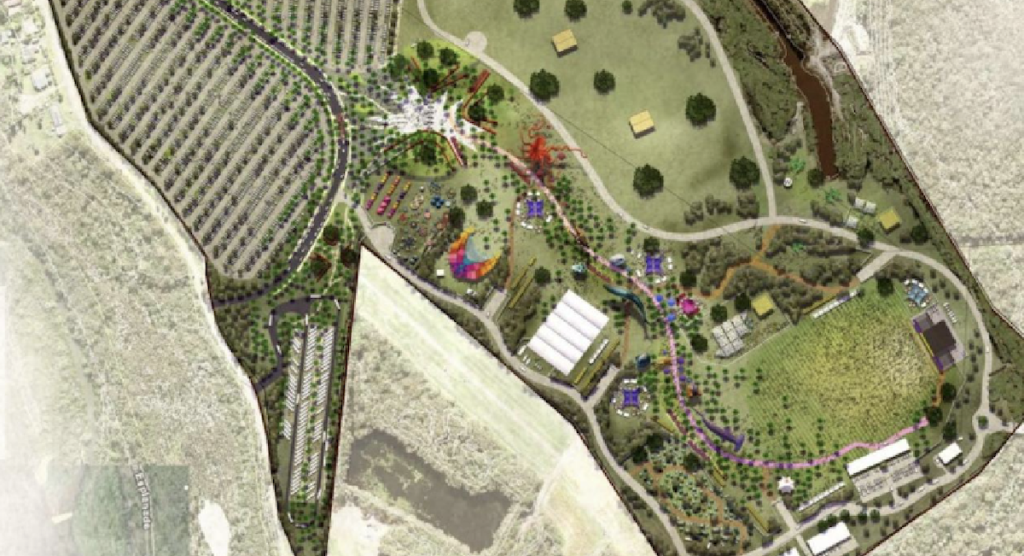
Site layout plan (Photo credit: MCU21/0348)

The tourist park will feature 150 accommodation sites spread across the expansive property, catering to different visitor preferences. The development aims to provide a holiday destination where visitors can enjoy outdoor recreation in a natural setting.

The Comiskey Group, which operates the popular Sandstone Point Holiday Resort, has emphasised that Coochin Creek Tourist Park will be thoughtfully designed for its natural setting. Director David Comiskey described the approval as the culmination of a five-year planning process, noting the park would be a unique destination in its own right.

The company’s experience in developing and operating award-winning tourism venues has been highlighted by local business leaders as a positive indicator for the project’s quality and potential success.

Economic Benefits for the Region

Coochin Creek
Photo credit: Comiskey Group

Tourism industry representatives have welcomed the development as an important addition to the Sunshine Coast’s accommodation offerings. Visit Sunshine Coast CEO Matt Stoeckel described the announcement as a huge win for the tourism industry, noting the park would deliver much-needed new accommodation while strengthening the region’s reputation as a leading eco-tourism destination.

Sunshine Coast Business Council Chair Sandy Zubrinich said tourism was a key sector supporting the regional economy, and the development would add diversity and choice to attract more tourists to the area.

Member for Caloundra Kendall Morton said the project would create jobs, support local businesses, and drive growth across sectors. She noted it would give the region the opportunity to boost ecotourism offerings and showcase natural assets, attracting visitors who want an authentic experience.

The development is expected to create employment opportunities during construction and provide ongoing jobs once operational. Local businesses are anticipated to benefit from increased visitor numbers and tourism spending in the broader Caloundra area.

Environmental Concerns Remain

Despite the approval, the project has faced significant opposition from environmental groups and residents concerned about its impact on the sensitive coastal area.

The site sits within the Northern Inter-Urban Break, a protected green belt between Brisbane and the Sunshine Coast designed to prevent urban sprawl and preserve natural landscapes. The State Assessment and Referral Agency had recommended refusing the application, noting there was no overriding public interest need for the development and no significant adverse impact if it did not proceed.

A coalition of ten community organisations, including the Sunshine Coast Environment Council, Wildlife Queensland, and the Bribie Island Environmental Protection Association, campaigned against the proposal during a public consultation period. Their concerns centred on potential impacts to the nearby Pumicestone Passage, a Ramsar-listed wetland of international significance that provides critical habitat for protected migratory shorebirds.

Additional concerns raised by community groups included bushfire risks in what is classified as a high-intensity bushfire zone, traffic safety issues with access via the narrow, single-lane Roys Road, and questions about whether such a large-scale development was appropriate for the environmentally sensitive location.

Environmental advocates argued that genuine eco-tourism should focus on low-impact, nature-based recreation that protects natural assets rather than introducing substantial infrastructure and accommodation facilities.

Moving Forward

The approval includes conditions aimed at protecting the area’s environmental values and ensuring visitor safety. As this was a ministerial call-in decision, the approval cannot be appealed through the Planning and Environment Court.


Read: $170 Million Airport Redevelopment Near Buderim Targets 2027 Completion


The Comiskey Group already holds approval for a smaller 100-site eco-park on the same land, granted by the Planning and Environment Court in 2023. The company has indicated it is pleased to move into the construction phase, with work expected to begin soon.

The development represents a significant investment in Sunshine Coast tourism infrastructure and will test whether large-scale eco-tourism facilities can successfully balance economic benefits with environmental protection in sensitive coastal areas.

Published 9-January-2026

Buderim Community Warned After Two E-Bike Deaths Linked To Illegal High-Powered Models

A safety warning in Buderim has intensified community concern after authorities linked two recent deaths to illegal high powered e-bikes and a growing number of risky devices used by young riders.


Rising Concern After Local Tragedies

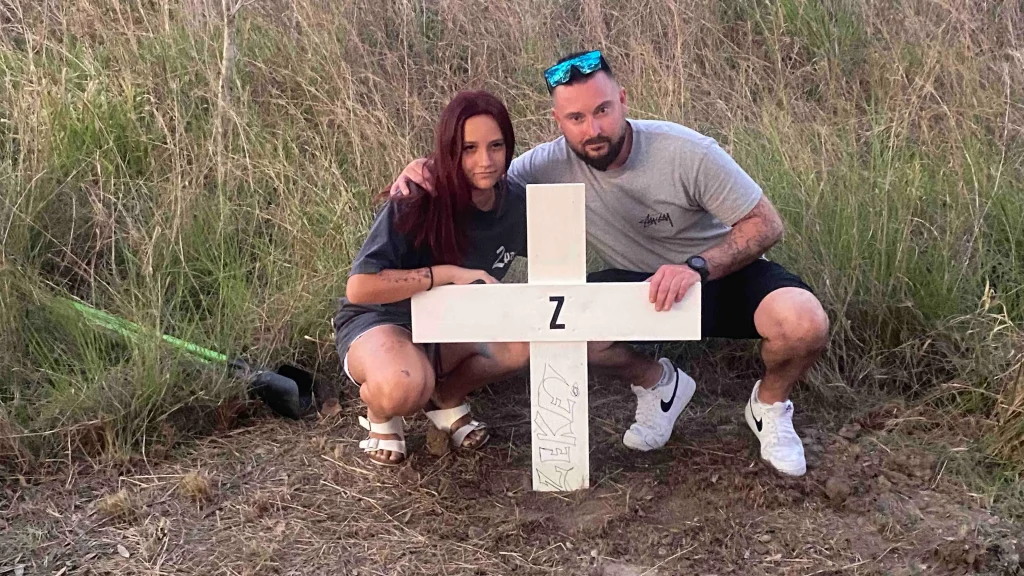
In late October, 8 year old Zeke Hondow died after a head on crash with a 15 year old rider on a bike path at Mountain Creek near Buderim. Police said the older boy’s e-bike did not meet public use standards and reached speeds far beyond legal limits. 

Photo Credit: GoFundMe

Two days later, a separate crash on the Gold Coast claimed the life of another 15 year old whose electric dirt bike reached about ninety five kilometres per hour. Both incidents raised questions about how many young riders use powerful bikes that fall outside current rules.

Government Response Focused On Safety

Queensland’s Transport Minister Brent Mickelberg spoke in Buderim and urged parents to think carefully before buying expensive e-bikes or e-scooters that do not meet legal requirements. He said police already face challenges enforcing current laws because many riders ignore them, and he stressed the need for clearer rules that officers can enforce. 

He also pointed to a parliamentary inquiry into e mobility safety, which is due to deliver findings by March 2026. He said the state will not rush new regulations before the inquiry reports and added that enforcement of existing laws will continue through summer.

Legal Action Following Mountain Creek Crash

Police charged the 15 year old involved in the Mountain Creek crash with dangerous operation of a vehicle causing death, unlicensed driving and operating an unregistered and uninsured vehicle. Detectives said this is the first known case where the dangerous operation charge has been applied to an e mobility device. 

Photo Credit: GoFundMe

Investigators noted that Zeke was riding a far less powerful bike under supervision and confirmed that the older teen’s device did not comply with legal public use limits. They also pointed to rising injury numbers among young riders on the Sunshine Coast.

Schools And Agencies Introduce New Measures

Several Sunshine Coast schools have decided to ban e-bikes and e-scooters next year because of ongoing safety concerns. The Queensland Police Service launched Operation X ray Surety to check bikes for compliance with motor wattage and speed cut out rules. 


The Office of Fair Trading also advised suppliers to follow their legal obligations and sell only devices that meet Australian standards. Local cycling groups supported these steps and encouraged families across the region to stay informed about the rules for public use.

Published 19-November-2025

Intersection Upgrade Progresses in Buderim as Major Works Begin

A major upgrade has begun in Buderim to improve the Sugar Road and Mooloolaba Road intersection, a location used by about 20,000 motorists daily.


Background And Project Context In Buderim

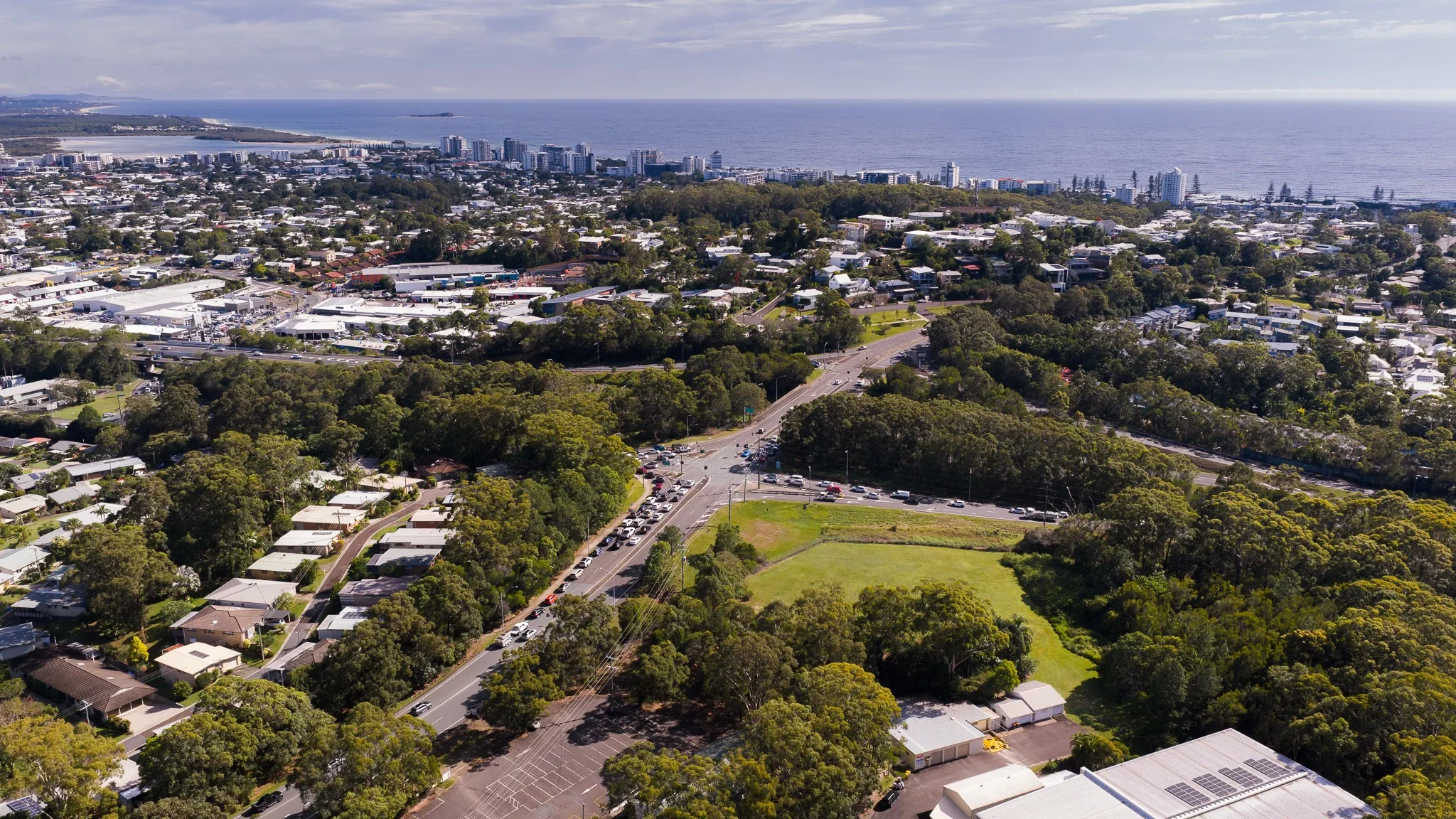
Work has commenced on the long-awaited upgrade of the Sugar Road and Mooloolaba Road intersection in Buderim. The project spans the section between Syd Lingard Drive and Tantula Road West, an area known for congestion and a high crash rate.

Earlier plans for improvements at this intersection did not proceed, with the current works moving forward as part of broader efforts to support the Sunshine Coast’s growing transport needs ahead of the 2032 Games. Early works, including vegetation clearing, have already started and will continue over the coming months. The full project is expected to be completed next year.

Buderim intersection upgrade
Photo Credit: BrentMickelbergMP/Facebook

Scope Of Works And Planned Improvements

The upgrade includes several design changes intended to improve traffic flow and safety. Road widening will provide additional westbound capacity from Sugar Road, while modified right-turn lanes will be constructed eastbound on the Mooloolaba Road overpass. Two dedicated left-turn lanes from Sugar Road to Mooloolaba Road are also planned.

Further improvements include realigning the slip lane at the motorway’s southbound exit ramp, providing new on-road bike lanes, constructing off-road paths, adding signalised pedestrian crossings, and installing upgraded lighting.

Sunshine Coast upgrade
Photo Credit: BrentMickelbergMP/Facebook

Community Sentiment And Local Impact

The intersection is widely regarded as a bottleneck, particularly during morning and afternoon peak periods. With about 20,000 daily vehicle movements, the upgrade is expected to improve travel reliability and safety for motorists, cyclists, and pedestrians throughout Buderim and nearby suburbs.

Mooloolaba Road
Photo Credit: BrentMickelbergMP/Facebook

Next Steps


Construction activity will continue across the area as works progress into next year. Once completed, the upgrade is expected to reduce congestion, increase traffic capacity, and strengthen connections to key destinations on the Sunshine Coast.

Published 19-Nov-2025

Subsea Cable Landing Expands Digital Capacity in Buderim

A major digital infrastructure milestone has been reached near Buderim with the Tabua subsea cable landing at Maroochydore, delivering a new international connection that links Queensland through the Pacific and the United States.


Regional Investment in Connectivity

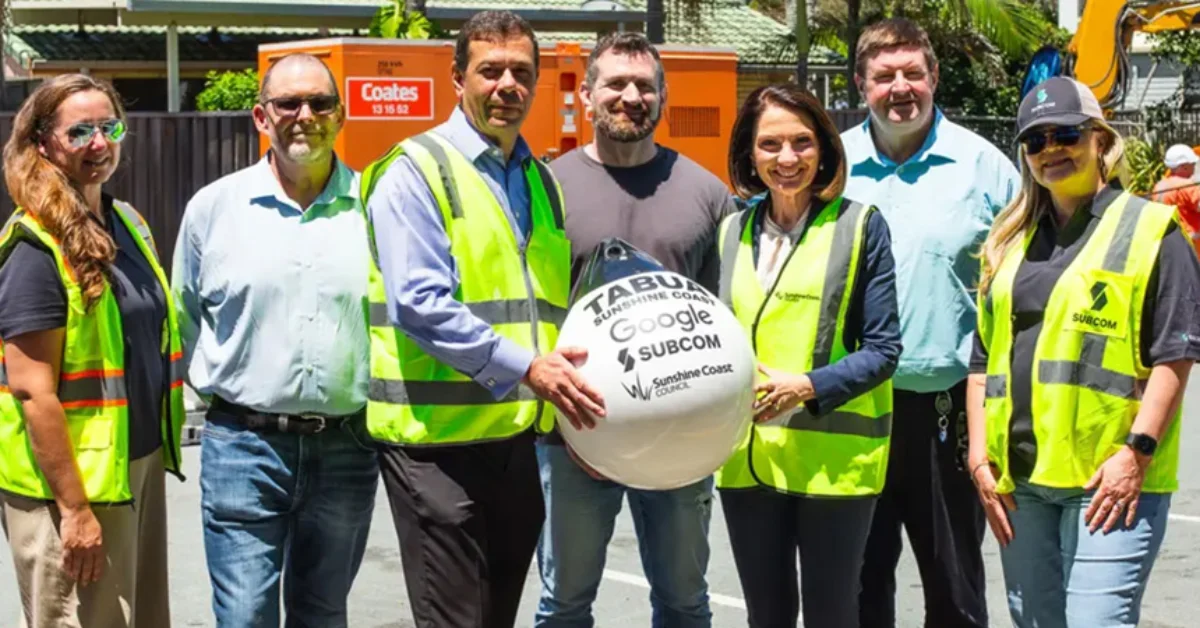
The Tabua subsea cable reached the Sunshine Coast shoreline on 11 November 2025, forming a major part of ongoing digital infrastructure upgrades for the region. The landing supports the wider Australia Connect initiative, designed to improve international data pathways linking Queensland with the Pacific and the United States.

The operation used a specialised vessel offshore, supported by excavators, winches, boats and divers to bring the cable ashore at Maroochydore. This installation aligns with earlier regional digital infrastructure planning and ongoing development of commercial data centres in the Maroochydore City Centre precinct.

Sunshine Coast connectivity
Photo Credit: Subsea Cables

Buderim’s Connection to a New International Route

The landing delivers the first direct subsea cable system linking Australia to the United States without routing through Sydney. The system also establishes connections to Sydney, Fiji, Hawaii and the United States, forming part of a broader Pacific network.

The development supports increasing demand for digital capacity and complements new regional data-centre investment designed to strengthen the Sunshine Coast’s digital capability.

Technical Features of the System

The Tabua system contains sixteen fibre pairs engineered to carry approximately 17 terabits per second per pair, creating a total capacity of 272 terabits per second. Its transpacific trunk spans more than 13,000 kilometres between the United States and Australia, with branching pathways to Oahu, Suva, Natadola and Queensland.

The system will operate as part of a larger South Pacific network that includes planned links through Hawaii and onward connections to Japan.

Benefits for Buderim and Surrounding Areas

The increased capacity supports more reliable cloud services, data movement and digital operations, including technologies relying on artificial intelligence. It provides additional bandwidth options for businesses requiring international connectivity and improves pathways for digital exports.

Residents in Buderim and nearby suburbs are expected to benefit from more dependable internet performance for everyday use such as remote work, online study, mapping services and streaming.

The system’s diverse landing points add resilience for Queensland and enhance opportunities for digital investment across the region.

Buderim subsea cable
Photo Credit: Subsea Cables

Regional Response and Outlook

Industry organisations involved in the system’s delivery have highlighted its role in strengthening international routes and improving data resilience across the Pacific. The cable links directly into a 50,000-kilometre national fibre network, expanding digital routing options throughout Australia.

Strengthening Future Infrastructure


With the arrival of the Tabua subsea cable, Buderim gains a direct connection to a wider international digital route. The system is expected to support long-term demand for data capacity, operational stability and future technology growth.

Published 18-Nov-2025

Coochin Creek Development Plan Sets Scene for Queensland’s Green-Belt Future

A major development plan at Coochin Creek, just north of Brisbane, would see a 150-site tourist park featuring 75 cabins and 75 campsites pushed through with decision-making taken out of local hands and placed directly with the state minister.


What’s on the table

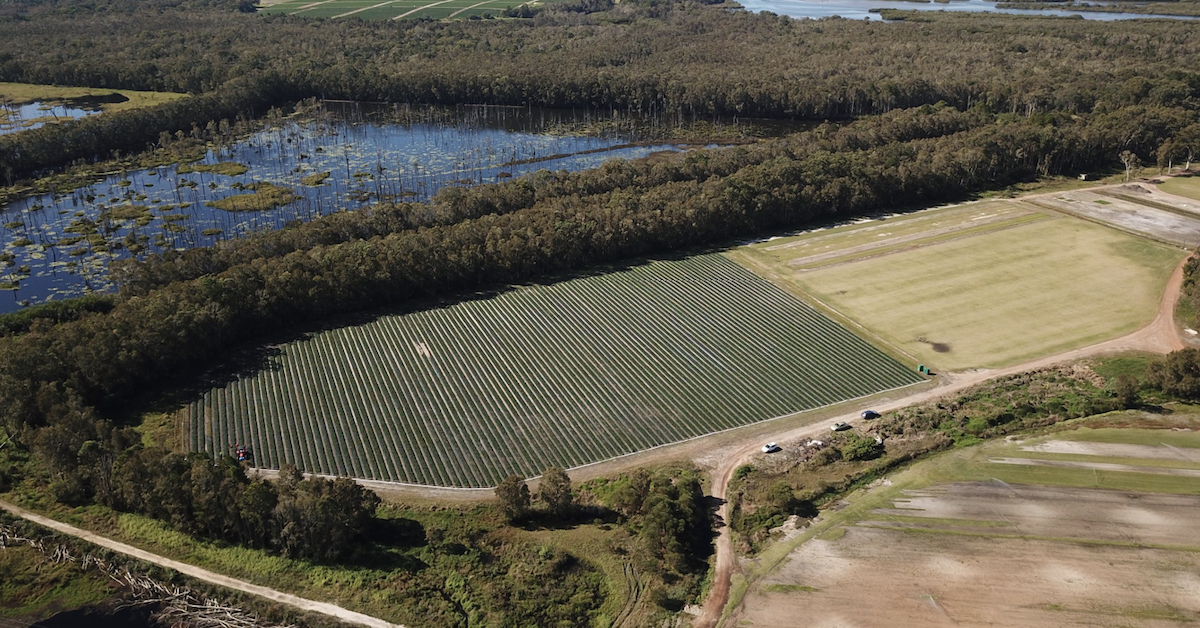
The proposal from Comiskey Group – MBN25/95 –  targets Lot 10 SP132272 and Lot 6 SP184133 at 1807 Roys Road in Coochin Creek, within the region protected as the Northern Inter-Urban Break (NIUB) and adjacent to the Ramsar-listed Pumicestone Passage. 

The plan allowed initially for a 100-site nature-based tourism proposal (pre-approved), but the current application doubles the number of people permitted on-site to 600, and adds recreation facilities including a 1,000 sqm building, waterslide and fire pits. 

In parallel, a separate 150-hectare events site dubbed Coochin Fields has been proposed by the same group to host up to 35,000 visitors per event. 

A planning precendent

The outcome could influence planning precedent for green-belt protection, tourism expansion and rural-fringe development across South-East Queensland. If this development is approved in the NIUB, it may open the door to further large-scale tourism or event-based developments in areas previously considered low-impact or rural. The decision-making process, bypassing local council and placing power with the minister, also signals changes in how such developments could be handled elsewhere.

Coochin Creek
Photo Credit: Cominskey Group

Reactions and feedback

The state planning agency, State Assessment and Referral Agency (SARA), reviewed the tourist-park proposal and concluded there is “no overriding need or compelling public interest” to justify placing it within the NIUB, citing non-compliance with key parts of the Queensland Planning Regulation 2017 and the regional plan ShapingSEQ 2023. 

The Sunshine Coast Environment Council and nine other community organisations supported SARA’s position, stating that the developments “do not comply with the relevant planning legislation” and that the Pumicestone Passage and NIUB must be safeguarded. 

On the other side, the Comiskey Group asserts the region has a tourism accommodation shortfall and that the project will boost overnight stays and visitor expenditure — and that the event site could become a tourism draw. 

Coochin Creek
Photo Credit: Cominskey Group

Next steps and how you can contribute

By invoking his ministerial call-in power, Deputy Premier and Planning Minister Jarrod Bleijie has taken full control of the decision, bypassing the Sunshine Coast Council, meaning the usual third-party appeal rights will not apply. 

The public consultation period for the tourist-park proposal opened 24 October and closes 17 November. Residents in nearby and connected communities are encouraged to make submissions via the ministerial call-in page on the Department’s website. 


Local residents and community groups stress that this is “the one and only chance” to influence the outcome before the minister’s decision is made. 

Published 11-Nov-2025

Man Hospitalised After Bitten By Snake in Bed at Cooloolabin Home

A man in his 70s has been transported to Nambour Hospital after being bitten by a snake whilst in bed at his Cooloolabin home near Yandina.


Queensland Ambulance Service paramedics responded to the incident and transported the patient under lights and sirens after he sustained a bite to the arm.

A Queensland Ambulance Service spokesperson confirmed it was a snake bite, however details about the species involved were not available.

The incident occurred during a period of heightened snake activity on the Sunshine Coast, with local snake catchers reporting numerous callouts to remove eastern brown snakes from properties over the past week.

Snake safety experts remind residents that eastern brown snakes are commonly found near homes and sheds where they hunt for rats, mice and lizards.

According to the Queensland Department of Environment and Science, eastern browns are fast-moving, sun-loving reptiles that can strike with extreme speed and typically grow to around 1.5 metres in length, though some reach 2.4 metres.


The department notes that it is illegal to keep or kill snakes in Queensland, and residents who encounter snakes on their property should contact licensed snake catchers for safe removal.

Published 28-October-2025

$170 Million Airport Redevelopment Near Buderim Targets 2027 Completion

A $170 million terminal redevelopment near Buderim is set to reshape Sunshine Coast Airport at Marcoola, nearly doubling its terminal footprint, tripling the departure lounge, and introducing sustainability-led features designed to accommodate strong passenger growth.


Expansion Underway

The Sunshine Coast Airport Terminal Redevelopment Project began construction earlier this year, with the first stage—the new outbound baggage handling facility—scheduled for completion in early 2026. The full terminal expansion is expected to be finished by 2027. Once complete, the upgraded facility will expand the existing terminal from 6,100 square metres to 11,750 square metres, increase departure gates from five to seven, and triple the departure lounge space from 1,250 square metres to 3,750 square metres.

Queensland infrastructure
Photo Credit: DEV2025/1675

Design and Delivery

The project is being delivered by McNab, a local construction company, in partnership with global architectural firms Populous and Fentress Studios, with project management handled by Planned Performance. The redevelopment aims to modernise the passenger journey from check-in to boarding through the installation of new technology, including 18 self-service kiosks, 10 automatic bag drops, and upgraded security screening.

Design elements emphasise sustainability and comfort, incorporating mass timber, rainwater harvesting, expanded solar power systems, and energy-efficient HVAC. The design also prioritises natural light and open viewing areas of the runway to create a relaxed passenger experience reflective of the Sunshine Coast lifestyle.

terminal expansion
Photo Credit: DEV2025/1675

Local Jobs and Regional Growth

Around 2,000 workers will be engaged during construction, with 90 per cent of trades and subcontractors sourced locally. The expansion is forecast to support the region’s growing aviation sector, with passenger numbers expected to reach 1.8 million in FY26 and 2.4 million by 2030.

Gateway Precinct Master Plan

In addition to the terminal expansion, a 30-hectare Gateway Precinct Master Plan has been lodged within the Sunshine Coast Airport Priority Development Area. The proposal, submitted on 8 September 2025 under reference DEV2025/1675, outlines five sub-precincts dedicated to aviation, tourism, retail, commercial, and industry uses. It includes plans for a 250-bed transit hotel, retail hub, landscaped public spaces, and new intersection upgrades along David Low Way, with provision for future rail or metro integration.

Sunshine Coast Airport
Photo Credit: DEV2025/1675

Community Feedback and Future Outlook

Residents around Buderim and Marcoola have expressed both optimism and questions about the project, citing hopes for improved flight routes and local transport connections. Some also raised the absence of aerobridges, which remains unconfirmed in project details.


The redevelopment marks a key milestone in the Sunshine Coast’s long-term infrastructure planning, supporting tourism and regional business growth. Construction will continue throughout 2026, with the completed terminal expected to open in 2027, providing an expanded, sustainable, and community-driven gateway for the region.

Published 13-Oct-2025

Maleny at the Centre of Push to Ban Platypus Death Traps

In Maleny, local conservation advocates are renewing calls for Queensland to ban the use of enclosed yabby traps blamed for drowning platypuses and other native wildlife in nearby creeks.


Growing Concern in Maleny

Maleny residents and wildlife advocates are urging action against opera house traps — collapsible nets designed for catching yabbies but known to trap and drown air-breathing species such as platypuses, turtles, rakali, and waterbirds. The traps remain legal in Queensland, despite being banned or restricted in every other Australian state and territory.

Threat to Obi Obi Creek Wildlife

Obi Obi Creek, a key platypus habitat in Maleny, continues to face risks from discarded or unattended traps. Platypuses are a familiar sight in the area and an important part of Maleny’s natural identity. Conservation guides have reported retrieving these traps from the creek, describing them as major hazards to aquatic wildlife.

Maleny platypus conservation campaign
Photo Credit: Dr Tamielle Brunt/Australian Museum

How the Traps Cause Harm

When platypuses dive underwater to hunt for yabbies, they rely on their bills’ electroreceptors to detect prey. The movements from bait or trapped crustaceans inside the nets attract them. Once inside, they cannot reach the surface to breathe and eventually drown. In some cases, the carcasses lure more yabbies — and more platypuses — repeating the fatal cycle.

Findings from National Studies

Research published in Australian Mammalogy in 2025 examined more than 400 recorded platypus deaths since 1989, identifying enclosed nets and crustacean traps as a leading cause. Other risks included predation, fishing gear entanglement, vehicle strikes, and extreme weather. The study concluded that the use of such traps should be banned wherever platypuses are present.

Bans in Other States

Victoria banned opera house traps in 2019 following multiple platypus deaths in Labertouche Creek. New South Wales introduced a full ban on 30 April 2021, replacing them with open-top, eco-friendly nets that allow non-target species to escape. These safer alternatives are now required across all NSW waters, including border regions.

Queensland Review and Delays

In Queensland, a consultation report released in March 2025 by the Freshwater Working Group found 65 per cent of participants supported a total ban, with a further 30 per cent favouring a phase-out by mid-2025. That timeline has since passed, and no new date for implementation has been announced. Conservation experts say the ongoing delay prolongs the threat to native species.

opera house traps
Photo Credit: Danny Casey/Australian Museum

Underreported Deaths and Public Awareness

Wildlife Queensland has noted that the full scale of platypus deaths from traps is unknown because incidents often go unreported. Many fishers are reluctant to admit when other animals drown in their nets. The platypus remains listed as near threatened on the IUCN Red List, with a 2020 national assessment recommending it be upgraded to threatened status due to population declines in all states.

Protecting Maleny’s Creeks


For Maleny’s residents, the issue is both environmental and local. The platypus is an enduring symbol of the region’s creeks and tourism identity. Advocates continue to push for Queensland to follow other states in banning opera house traps, aiming to protect Maleny’s waterways and preserve the area’s unique wildlife for future generations.

Published 12-Oct-2025